
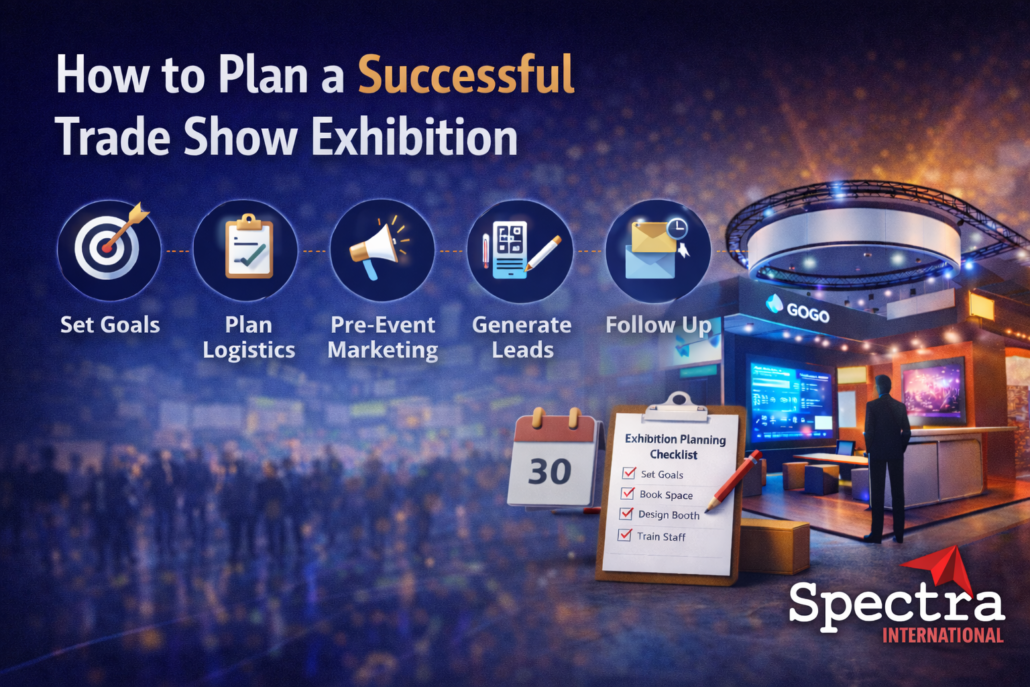
How to Plan a Successful Trade Show Exhibition
How to Plan a Successful Trade Show Exhibition- Participating in a trade show exhibition is one of the most effective ways for businesses to showcase their products, build brand awareness, and generate qualified leads. However, success at a trade show doesn’t happen by chance. It requires strategic planning, creative execution, and collaboration with the right exhibition stall design and fabrication company. Whether you are working with an exhibition stand designer in Europe or an exhibition stall design and fabrication company in the USA, proper planning ensures maximum return on investment (ROI).
In this comprehensive guide, we’ll walk you through how to plan a successful trade show exhibition, from goal setting to post-event follow-up.
Why Trade Show Planning Is Critical for Success
Trade shows involve significant investment—booth space, design, logistics, staff, and marketing. Without proper planning, even a visually stunning booth can fail to attract the right visitors or generate leads. A successful trade show exhibition aligns your business goals, booth design, marketing efforts, and team performance into one cohesive strategy.
Step 1: Define Clear Trade Show Objectives
Before you book space or design a booth, define why you’re participating in the trade show. Clear objectives guide every decision you make.
Common trade show goals include:
Generating qualified leads
Launching a new product or service
Increasing brand visibility
Networking with industry professionals
Strengthening customer relationships
Set measurable KPIs such as number of leads collected, meetings booked, or sales closed after the event.
Step 2: Choose the Right Trade Show
Not all trade shows are right for every business. Selecting the right event is crucial for success.
Consider:
Audience relevance
Industry focus
Visitor demographics
Event size and reputation
Past exhibitor feedback
A well-targeted exhibition with the right audience will always outperform a large but irrelevant event.
Step 3: Set a Realistic Trade Show Budget
A detailed budget ensures smooth execution and prevents overspending. Include all major and hidden costs.
Budget components:
Booth space rental
Exhibition booth design & fabrication
Transportation & logistics
Travel and accommodation
Marketing & promotional materials
Staff training and uniforms
Allocating your budget wisely ensures maximum impact without financial strain.
Step 4: Design an Eye-Catching Exhibition Booth
Your booth is the face of your brand at the trade show. A strong design attracts visitors and encourages engagement.
Key booth design elements:
Open and inviting layout
Clear branding and messaging
High-quality graphics and visuals
Strategic lighting
Interactive elements (screens, demos, VR)
An effective trade show booth design communicates your value proposition within seconds.
Step 5: Plan Pre-Event Marketing for Maximum Footfall
One of the most overlooked steps in how to plan a successful trade show exhibition is pre-event promotion.
Effective pre-event marketing strategies:
Email invitations to existing clients
Social media announcements and countdowns
Landing pages for appointment booking
Paid ads targeting event attendees
Press releases or blog posts
Promoting your presence before the event ensures visitors actively seek out your booth.
Step 6: Train Your Exhibition Staff
Your booth staff plays a vital role in converting visitors into leads. Even the best booth design can fail if staff are unprepared.
Staff training should cover:
Brand messaging and key offerings
Visitor engagement techniques
Lead qualification questions
Product demonstrations
Post-event follow-up process
Friendly, knowledgeable, and proactive staff significantly boost trade show success.
Step 7: Create an Effective Lead Generation Strategy
Collecting leads is one of the main reasons businesses invest in trade shows. Make the process simple and engaging.
Popular lead generation methods:
Digital lead capture tools
QR code scans
Contests and giveaways
Live demos with sign-ups
Appointment scheduling at the booth
Ensure all leads are properly categorized for post-event follow-ups.
Step 8: Focus on Visitor Experience
Modern trade shows are about experience, not just displays. Engaging experiences help your brand stand out from competitors.
Ideas to enhance visitor experience:
Interactive product demos
Live presentations or workshops
Gamification and challenges
Comfortable meeting spaces
Personalized interactions
A memorable experience increases brand recall long after the event ends.
Step 9: Manage Logistics and Operations
Smooth logistics ensure your exhibition runs without last-minute stress.
Checklist:
Booth transportation and setup timeline
Power, internet, and AV requirements
Installation and dismantling schedule
Backup materials and tools
On-site contact coordination
Planning logistics in advance helps avoid costly disruptions.
Step 10: Execute a Strong Post-Event Follow-Up Plan
The real success of a trade show is measured after the event. Timely follow-ups turn leads into customers.
Post-event actions:
Send personalized follow-up emails
Schedule sales calls or meetings
Shares thank-you messages
Analyze lead quality and ROI
Gather team feedback for improvement
Consistent follow-ups maximize your trade show investment.
Common Mistakes to Avoid Planning a Successful Trade Show Exhibition
Avoid these pitfalls:
Unclear objectives
Poor booth design
Lack of pre-event promotion
Untrained staff
Weak follow-up strategy
Learning from these mistakes improves future exhibition performance.
Conclusion
Planning a successful trade show exhibition requires strategy, creativity, and execution. From setting clear goals and designing an engaging booth to training staff and following up with leads, every step plays a crucial role. When done right, trade shows become powerful growth tools that drive brand visibility, generate high-quality leads, and deliver long-term business value.
By following this step-by-step guide on how to plan a successful trade show exhibition, you’ll be well-prepared to stand out, attract the right audience, and achieve measurable success.
 +91 98109 39838, +91 83759 11817
 Germany: +49 152 13987729
