Exhibition Stand Design Trends for 2026

Exhibition Stand Design Trends for 2026

Exhibition Stand Design Trends for 2026 – As global exhibitions evolve, brands must adapt to new expectations in design, technology, and sustainability. At Spectra Creatives, we closely follow international exhibition trends to deliver future-ready solutions for clients across the USA and Europe. In this blog, we explore the Exhibition Stand Design Trends for 2026 that will define successful trade show participation in the coming years. Whether you’re working with an exhibition stall design and fabrication team in the USA or partnering with an exhibition stand designer in Europe, being ahead of design trends will determine how much attention your booth attracts and how strong your brand impact becomes on the show floor.

In this comprehensive guide, we break down Exhibition Stand Design Trends for 2026 that every marketer, designer, and exhibitor should know.


1. Sustainability Is a Standard – Not a Bonus

One of the biggest shifts in exhibition stand design for 2026 is the focus on environmental responsibility. Gone are the days of single use builds. Today’s top stands are:

  • Made of recycled and recyclable materials like recycled aluminum and FSC-certified timber

  • Designed with modular, reusable systems that can be reconfigured event after event

  • Built with energy-efficient lighting and components that reduce carbon footprint

This trend isn’t just cosmetic—many attendees now expect and support eco-conscious brands. Choosing sustainable stand design resonates with values-driven audiences and reduces long-term costs.


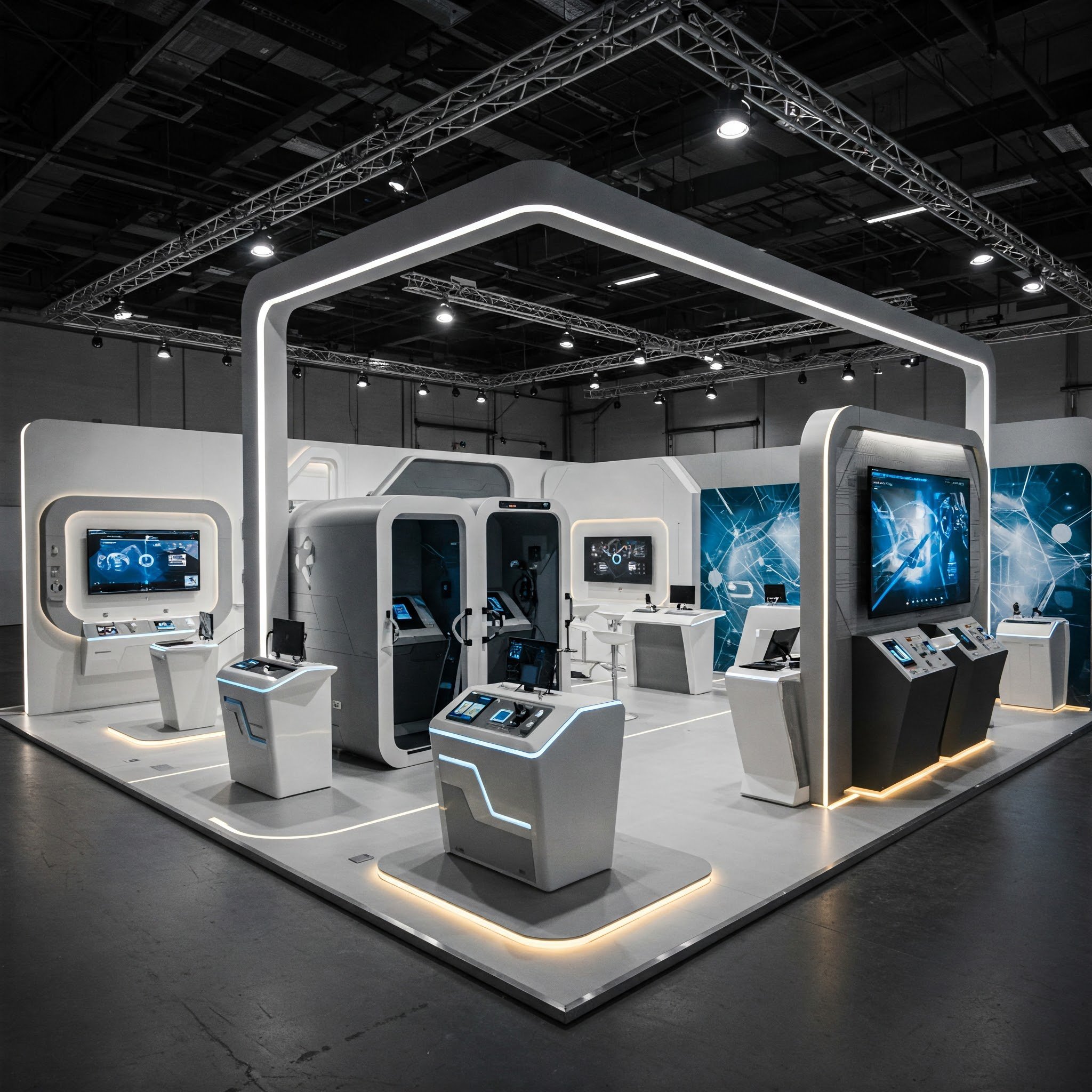
2. Immersive Technology and “Phygital” Experiences

Digital technology is transforming the static booth into an engaging experience. The line between physical space and digital interaction continues to blur—a trend industry experts call phygital.

Key innovations include:

  • Augmented Reality (AR) walkthroughs and virtual product displays

  • Virtual Reality (VR) demos that allow exploration beyond physical limitations

  • AI-driven personalized interactions that tailor content in real time

  • Interactive touchscreens and gesture-based controls

These technologies not only grab attention but keep visitors engaged longer, enhancing the overall lead quality for exhibitors.


3. Data-Driven Design Logic

In 2026, exhibition booths aren’t just about aesthetics—they’re about performance. Data analytics is playing a growing role in design decisions:

  • Heat mapping tracks where visitors spend most of their time

  • Gaze tracking evaluates which visuals attract attention

  • Behavioral data informs optimal product placement

Using real metrics allows booth designers and marketers to craft layouts that boost engagement and increase ROI, rather than relying on intuition alone.


4. Lounge-Style, Comfort-Driven Spaces

Trade shows are tiring for attendees. Exhibitors are now inviting visitors to stay longer by creating lounge-like environments within their stands. These include:

  • Comfortable seating areas

  • Subtle hospitality elements like charging stations and refreshments

  • Biophilic design with natural textures and greenery

This trend enhances “dwell time” — the duration visitors spend at your booth — which significantly increases interaction, brand recall, and conversions.


5. Modular & Flexible Stand Systems

Flexibility is the buzzword for design in 2026. With budgets tighter and exhibitions global, brands want solutions that adapt:

  • Reconfigurable modular booths change layout based on venue size

  • Lightweight frame systems are easier and less expensive to transport

  • Components can be replaced or updated without rebuilding the entire stand

This approach is especially beneficial if you participate in multiple trade shows globally — from the USA to Europe and beyond.


6. Minimalism With Maximum Impact

Minimalism continues to gain ground in exhibition stand design. Rather than overcrowding booths with information, designers are focusing on:

  • Clean layouts and simple pathways

  • Strong focal points like isolated product zones

  • Strategic use of color and light

This “less is more” philosophy helps visitors quickly understand the brand message without overwhelming them, especially in busy trade show environments.


7. Biophilic & Organic Design Movements

Visitors are responding positively to design trends that bring nature into the exhibition environment. Biophilic elements create soothing and memorable spaces:

  • Living walls with plants

  • Natural wood, stone, and textile finishes

  • Earthy color palettes with warm, inviting tones

Integrating nature into stands not only enhances comfort but reinforces sustainability efforts — making your booth unforgettable in both design and values.


8. Multi-Sensory Engagement Beyond Visuals

2026 trends emphasize engaging attendees through multiple senses:

  • Ambient soundscapes and subtle audio cues

  • Touchable textures and tactile elements

  • Scent marketing that reinforces brand identity

  • LED lighting that creates not just light but mood

Multi-sensory design increases emotional connection and helps booths stand out in large exhibition halls.


9. Hybrid & Virtual Extensions

Exhibitions are no longer only physical events:

  • Live streaming booth sessions bring global audiences onboard

  • Digital twins replicate booths online for virtual visitors

  • Social media walls showcase live interaction from attendees

Hybrid design extends the life and reaches of your exhibition participation far beyond the show floor.


10. Bold Graphics & Power Branding

Though technology and experience are rising trends, traditional visual branding remains strong. In 2026:

  • Backlit graphics and LED messaging are everywhere

  • Dimensional and halo-lit logos create depth and impact

  • Strategic use of high-contrast colors grabs attention from afar

A thoughtfully branded booth ensures that your message is communicated instantly — even in a crowded hall.

Creating Viral Experiences at Trade Shows

Final Thoughts — Exhibition Stand Design Trends for 2026

The key to successful trade show exhibits in 2026 lies in blending aesthetics, technology, sustainability, and human-centered design. From immersive experiences and eco-friendly booths to modular systems and sensory-rich environments, these trends reflect what audiences now expect from the brands they engage with on the exhibition floor.

Whether your next project involves exhibition stall design and fabrication in the USA, or you’re reviewing proposals from an exhibition stand designer in Europe, integrating these trends will ensure your booth doesn’t just attract visitors — it connects with them.


Call to Action

Ready to future-proof your next exhibition presence? Partner with expert booth designers who understand 2026 trends and can turn your vision into a high-impact reality.
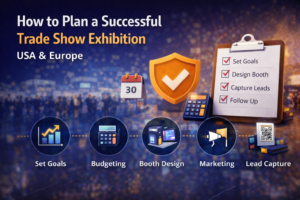
How to Plan a Successful Trade Show Exhibition

How to Plan a Successful Trade Show Exhibition

How to Plan a Successful Trade Show Exhibition- Participating in a trade show exhibition is one of the most effective ways for businesses to showcase their products, build brand awareness, and generate qualified leads. However, success at a trade show doesn’t happen by chance. It requires strategic planning, creative execution, and collaboration with the right exhibition stall design and fabrication company. Whether you are working with an exhibition stand designer in Europe or an exhibition stall design and fabrication company in the USA, proper planning ensures maximum return on investment (ROI).

In this comprehensive guide, we’ll walk you through how to plan a successful trade show exhibition, from goal setting to post-event follow-up.


Why Trade Show Planning Is Critical for Success

Trade shows involve significant investment—booth space, design, logistics, staff, and marketing. Without proper planning, even a visually stunning booth can fail to attract the right visitors or generate leads. A successful trade show exhibition aligns your business goals, booth design, marketing efforts, and team performance into one cohesive strategy.
How to Plan a Successful Trade Show Exhibition


Step 1: Define Clear Trade Show Objectives

Before you book space or design a booth, define why you’re participating in the trade show. Clear objectives guide every decision you make.

Common trade show goals include:

  • Generating qualified leads

  • Launching a new product or service

  • Increasing brand visibility

  • Networking with industry professionals

  • Strengthening customer relationships

Set measurable KPIs such as number of leads collected, meetings booked, or sales closed after the event.


Step 2: Choose the Right Trade Show

Not all trade shows are right for every business. Selecting the right event is crucial for success.

Consider:

  • Audience relevance

  • Industry focus

  • Visitor demographics

  • Event size and reputation

  • Past exhibitor feedback

A well-targeted exhibition with the right audience will always outperform a large but irrelevant event.


Step 3: Set a Realistic Trade Show Budget

A detailed budget ensures smooth execution and prevents overspending. Include all major and hidden costs.

Budget components:

  • Booth space rental

  • Exhibition booth design & fabrication

  • Transportation & logistics

  • Travel and accommodation

  • Marketing & promotional materials

  • Staff training and uniforms

Allocating your budget wisely ensures maximum impact without financial strain.


Step 4: Design an Eye-Catching Exhibition Booth

Your booth is the face of your brand at the trade show. A strong design attracts visitors and encourages engagement.

Key booth design elements:

  • Open and inviting layout

  • Clear branding and messaging

  • High-quality graphics and visuals

  • Strategic lighting

  • Interactive elements (screens, demos, VR)

An effective trade show booth design communicates your value proposition within seconds.


Step 5: Plan Pre-Event Marketing for Maximum Footfall

One of the most overlooked steps in how to plan a successful trade show exhibition is pre-event promotion.

Effective pre-event marketing strategies:

  • Email invitations to existing clients

  • Social media announcements and countdowns

  • Landing pages for appointment booking

  • Paid ads targeting event attendees

  • Press releases or blog posts

Promoting your presence before the event ensures visitors actively seek out your booth.


Step 6: Train Your Exhibition Staff

Your booth staff plays a vital role in converting visitors into leads. Even the best booth design can fail if staff are unprepared.

Staff training should cover:

  • Brand messaging and key offerings

  • Visitor engagement techniques

  • Lead qualification questions

  • Product demonstrations

  • Post-event follow-up process

Friendly, knowledgeable, and proactive staff significantly boost trade show success.


Step 7: Create an Effective Lead Generation Strategy

Collecting leads is one of the main reasons businesses invest in trade shows. Make the process simple and engaging.

Popular lead generation methods:

  • Digital lead capture tools

  • QR code scans

  • Contests and giveaways

  • Live demos with sign-ups

  • Appointment scheduling at the booth

Ensure all leads are properly categorized for post-event follow-ups.


Step 8: Focus on Visitor Experience

Modern trade shows are about experience, not just displays. Engaging experiences help your brand stand out from competitors.

Ideas to enhance visitor experience:

  • Interactive product demos

  • Live presentations or workshops

  • Gamification and challenges

  • Comfortable meeting spaces

  • Personalized interactions

A memorable experience increases brand recall long after the event ends.


Step 9: Manage Logistics and Operations

Smooth logistics ensure your exhibition runs without last-minute stress.

Checklist:

  • Booth transportation and setup timeline

  • Power, internet, and AV requirements

  • Installation and dismantling schedule

  • Backup materials and tools

  • On-site contact coordination

Planning logistics in advance helps avoid costly disruptions.


Step 10: Execute a Strong Post-Event Follow-Up Plan

The real success of a trade show is measured after the event. Timely follow-ups turn leads into customers.

Post-event actions:

  • Send personalized follow-up emails

  • Schedule sales calls or meetings

  • Shares thank-you messages

  • Analyze lead quality and ROI

  • Gather team feedback for improvement

Consistent follow-ups maximize your trade show investment.


Common Mistakes to Avoid Planning a Successful Trade Show Exhibition

Avoid these pitfalls:

  • Unclear objectives

  • Poor booth design

  • Lack of pre-event promotion

  • Untrained staff

  • Weak follow-up strategy

Learning from these mistakes improves future exhibition performance.


Conclusion

Planning a successful trade show exhibition requires strategy, creativity, and execution. From setting clear goals and designing an engaging booth to training staff and following up with leads, every step plays a crucial role. When done right, trade shows become powerful growth tools that drive brand visibility, generate high-quality leads, and deliver long-term business value.

By following this step-by-step guide on how to plan a successful trade show exhibition, you’ll be well-prepared to stand out, attract the right audience, and achieve measurable success.

How to Design a High-Converting Exhibition Booth

How to Design a High-Converting Exhibition Booth

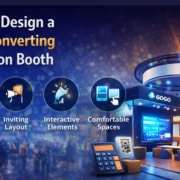
How to Design a High-Converting Exhibition Booth – Designing an exhibition booth is not just about aesthetics—it’s about results. A visually attractive booth may grab attention, but a high-converting exhibition booth goes a step further by turning visitors into leads and customers. In today’s competitive exhibition environment, brands need booths that combine creativity, strategy, and functionality.

This guide explains how to design a high-converting exhibition booth step by step, helping you maximize visitor engagement, brand recall, and return on investment (ROI).


How to Design a High-Converting Exhibition Booth?

A high-converting exhibition booth is one that:

  • Attracts consistent footfall

  • Engages visitors meaningfully

  • Communicates value quickly

  • Encourages action (leads, demos, meetings)

Conversion-focused booth design blends marketing psychology with smart design decisions.


Step 1 – Define Clear Objectives Before Designing

Before starting the design process, define what “conversion” means for your brand.

Common booth objectives include:

  • Lead generation

  • Product demonstrations

  • Meeting potential partners

  • Brand awareness

Clear objectives influence layout, messaging, technology, and staffing.


Step 2 – Create a Strong Visual First Impression

Exhibitions are visually overwhelming. Your booth must stand out within seconds.

Use Bold Graphics & Clear Messaging

  • Large visuals visible from a distance

  • Minimal text with high impact

  • Clear headline explaining what you offer

Strong visuals are essential in exhibition booth design to attract attention instantly.


Step 3 – Design an Open and Inviting Layout

A booth that feels closed or cluttered discourages entry.

Layout Tips for Higher Conversion

  • Open entry points

  • Clear walking paths

  • No physical barriers at entrances

An inviting layout increases visitor flow and interaction.


Step 4 – Focus on Branding & Brand Recall

Your booth should communicate your brand identity consistently and clearly.

Branding Essentials

  • Prominent logo placement

  • Consistent color palette

  • Brand-aligned messaging

Strong branding builds trust and ensure visitors remember your brand after the event.


Step 5 – Highlight a Clear Value Proposition

Visitors should instantly understand:

  • What you offer

  • How it benefits them

  • Why they should engage

Value Proposition Tips

  • Use benefit-driven messaging

  • Avoid technical jargon

  • Focus on solving visitor problems

Clarity improves booth conversions significantly.


Step 6 – Use Lighting to Guide Attention

Lighting is one of the most underrated elements in trade show booth design.

Effective Lighting Techniques

  • Spotlight key products

  • Backlit graphics for impact

  • Warm lighting for welcoming spaces

Proper lighting enhances mood, visibility, and engagement.


Step 7 – Add Interactive & Engagement Elements

Interactive booths attract more visitors and keep them engaged longer.

High-Converting Interactive Ideas

  • Touchscreen presentations

  • Live product demos

  • AR/VR experiences

  • Interactive quizzes or games

Engagement leads to better conversations and higher lead quality.


Step 8 – Include Comfortable Meeting Areas

Comfort encourages longer interactions and deeper discussions.

Booth Comfort Features

  • Seating areas

  • Charging points

  • Quiet meeting corners

Comfortable visitors are more likely to convert.


Step 9 – Optimize Lead Capture & CTA Placement

Your booth must encourage visitors to take action.

Effective CTA Strategies

  • Clear call-to-action signage

  • QR codes for quick sign-ups

  • Digital lead capture tools

Make lead capture simple and friction-free.


Step 10 – Train Booth Staff for Conversion

Even the best booth design needs the right people.

 Staff Training Tips

  • Friendly and proactive approach

  • Strong product knowledge

  • Quick qualification of visitors

  • Clear follow-up process

Trained staff turn engagement into conversions.


Custom vs Modular Booth Design – Which Converts Better?

Custom Exhibition Booths

  • Higher creativity

  • Strong brand impact

  • Best for premium exhibitions

Modular Booths

  • Cost-effective

  • Flexible and reusable

  • Suitable for frequent events

Both can convert well when designed strategically.


Common Mistakes That Reduce Booth Conversions

Avoid these mistakes:

  • Overcrowded design

  • Poor lighting

  • Unclear messaging

  • Passive staff behavior

  • No lead follow-up plan

Avoiding these errors improves booth performance instantly.


Measuring the Success of a High-Converting Booth

Track success using:

  • Visitor footfall

  • Lead quantity & quality

  • Engagement duration

  • Post-event conversions

Data helps optimize future exhibition stand design strategies.


Final Thoughts – How to Design a High-Converting Exhibition Booth

Designing a high-converting exhibition booth requires more than creativity—it demands strategic thinking. From strong visuals and clear messaging to interactive elements and trained staff, every detail contributes to conversion success.

By applying these proven principles on how to design a high-converting exhibition booth, you can turn your exhibition presence into a powerful marketing tool.


Call to Action (CTA)

Planning your next exhibition? Partner with experienced exhibition booth designers to create a high-converting booth that attracts visitors, engages audiences, and delivers measurable results.

exhibition-planning-checklist-step-by-step-guide

Exhibition Planning Checklist – Step-by-Step Guide

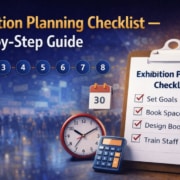
Participating in an exhibition is one of the most powerful ways to promote your brand, showcase products, and generate quality leads. However, exhibition success depends heavily on planning. Without a structured approach, even the best ideas can fall flat. That’s why having a detailed exhibition planning checklist – step-by-step guide is essential.

This guide walks you through every stage of exhibition planning—from goal setting and budgeting to booth design and post-event follow-up—ensuring nothing is missed.


Step 1 – Define Clear Exhibition Goals

Before booking space or designing a booth, define what you want to achieve.

Common exhibition goals include:

  • Brand awareness

  • Lead generation

  • Product launches

  • Networking and partnerships

  • Market research

Clear goals shape your booth design, staffing, marketing, and budget decisions.


Step 2 – Set Your Exhibition Budget

Budget planning is a critical step in the exhibition planning checklist. Your budget should cover all expenses, not just booth construction.

Include:

  • Exhibition space rental

  • Booth design and fabrication

  • Marketing materials

  • Travel and accommodation

  • Logistics and storage

Always keep a buffer for unexpected costs.


Step 3 – Choose the Right Exhibition

Not all exhibitions deliver the same results. Select events that align with your target audience and business goals.

Consider:

  • Visitor demographics

  • Industry relevance

  • Past exhibitor reviews

  • Event location and dates

Choosing the right exhibition ensures better ROI.


Step 4 – Book Exhibition Space Early

Early booking provides better booth location options and often saves costs. Corner or island booths offer higher visibility and footfall.

While booking, confirm:

  • Booth size

  • Open sides

  • Power and internet availability

  • Venue regulations

These details affect booth design and layout.


Step 5 – Design an Attractive Exhibition Booth

Your booth is the face of your brand. Invest in a design that attracts attention and communicates your message clearly.

Effective booth design includes:

  • Bold visuals and branding

  • Open and welcoming layout

  • Clear value proposition

  • Proper lighting

Custom or modular booth designs should align with your exhibition goals.


Step 6 – Plan Marketing & Pre-Event Promotion

Exhibition success starts before the event begins. Promote your participation through multiple channels.

Pre-event marketing ideas:

  • Email campaigns

  • Social media announcements

  • Website banners

  • Event invitations to clients

Pre-promotion increases booth traffic and engagement.


Step 7 – Prepare Exhibition Materials

Ensure all marketing and promotional materials are ready well in advance.

Checklist includes:

  • Brochures and catalogs

  • Business cards

  • Product samples

  • Branded giveaways

Keep designs consistent with booth branding.


Step 8 – Train Your Booth Staff

Your team plays a crucial role in converting visitors into leads. Staff should be knowledgeable, approachable, and well-trained.

Staff training should cover:

  • Product knowledge

  • Sales pitch

  • Lead capture process

  • Visitor engagement techniques

Professional staff enhance brand perception.


Step 9 – Manage Logistics & Installation

Smooth logistics ensure stress-free execution. Coordinate with exhibition organizers and booth fabricators in advance.

Logistics planning includes:

  • Transportation of booth materials

  • Installation and dismantling schedule

  • Storage arrangements

  • Compliance with venue rules

Good coordination prevents last-minute issues.


Step 10 – Plan Lead Capture & Data Collection

Exhibitions generate valuable leads—but only if you capture them properly.

Lead capture methods:

  • Digital forms or tablets

  • QR code scans

  • Business card collection

Ensure follow-up details are recorded accurately.


Step 11 – Execute During the Exhibition

On event days, focus on visitor engagement and brand experience.

Key execution tips:

  • Keep the booth clean and organized

  • Greet visitors proactively

  • Demonstrate products confidently

  • Monitor footfall and engagement

Consistency is key to success.


Step 12 – Post-Exhibition Follow-Up

Post-event follow-up is often overlooked but is crucial for ROI.

After the exhibition:

  • Categorize leads

  • Send follow-up emails

  • Schedule meetings

  • Analyze performance

Timely follow-up converts leads into customers.


Common Exhibition Planning Mistakes to Avoid

Avoid these common mistakes:

  • Poor budget planning

  • Unclear goals

  • Weak booth design

  • Untrained staff

  • No post-event follow-up

Avoiding these errors significantly improves exhibition outcomes.


Final Thoughts – Exhibition Planning Checklist – Step-by-Step Guide

A successful exhibition doesn’t happen by chance—it’s the result of detailed planning and execution. By following this exhibition planning checklist – step-by-step guide, you can streamline your efforts, avoid costly mistakes, and maximize your return on investment.

Whether you’re a first-time exhibitor or an experienced brand, this checklist ensures a smooth and successful exhibition journey.


Call to Action (CTA)

Planning your next exhibition? Partner with professional exhibition planners and booth designers to ensure flawless execution and maximum impact.

Exhibition Booth Design Ideas That Attract Maximum Visitors

Exhibition Booth Design Ideas That Attract Maximum Visitors

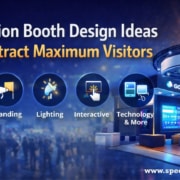
In a crowded exhibition hall, your booth has just a few seconds to capture attention. With hundreds of competitors fighting for visibility, the right design can be the difference between a packed booth and an empty one. That’s why choosing the right exhibition booth design ideas that attract maximum visitors is crucial for trade show success.

A well-designed exhibition booth not only grabs attention but also communicates your brand message, engages visitors, and converts footfall into quality leads. In this guide, we’ll explore creative, practical, and proven booth design ideas that help you stand out and draw maximum visitors.


Why Exhibition Booth Design Matters

Your exhibition booth acts as a physical representation of your brand. A poorly designed booth can make even a great product go unnoticed, while a visually appealing booth can attract visitors without aggressive selling.

A strong exhibition booth design helps to:

  • Increase foot traffic

  • Improve brand recall

  • Encourage visitor interaction

  • Generate qualified leads


Top Exhibition Booth Design Ideas That Attract Maximum Visitors

1. Use Eye-Catching Visuals & Bold Graphics

Large, high-quality visuals instantly grab attention from a distance. Use bold colors, striking imagery, and clear messaging that communicates what your brand does in seconds.

Tips:

  • Avoid cluttered text

  • Use brand-consistent colors

  • Highlight your USP clearly

Strong visuals are the foundation of effective trade show booth design.


2. Create an Open & Inviting Layout

An open booth design encourages visitors to step inside without hesitation. Avoid blocking entry points with counters or walls.

Best practices:

  • Keep entrances wide and accessible

  • Use minimal barriers

  • Design clear visitor flow paths

Open layouts naturally increase engagement and dwell time.


3. Focus on Strong Branding

Your brand identity should be visible from all angles. Consistent branding builds trust and improves recognition.

Include:

  • Large logo placement

  • Consistent fonts and colors

  • Brand messaging aligned with your marketing goals

Strong exhibition booth branding ensures visitors remember you even after the event.


4. Use Lighting Strategically

Lighting can dramatically transform your booth’s look and feel. Proper lighting highlights key areas and creates a premium appearance.

Lighting ideas:

  • LED spotlights for products

  • Backlit graphics

  • Accent lighting for depth

Well-lit booths always outperform dull or poorly lit ones.


5. Add Interactive Elements

Interactive booths attract curiosity and keep visitors engaged longer.

Popular interactive ideas include:

  • Touchscreen displays

  • Product demos

  • Games or quizzes

  • AR/VR experiences

Interactive exhibition stand design ideas create memorable experiences that boost lead quality.


6. Highlight a Clear Value Proposition

Visitors should immediately understand what problem you solve and why they should care.

Display:

  • Clear headlines

  • Simple benefit-focused messaging

  • Strong call-to-action (CTA)

Clarity attracts more visitors than complexity.


7. Use Technology to Stand Out

Modern exhibitions demand modern solutions. Technology-driven booths feel innovative and attract tech-savvy audiences.

Technology options:

  • LED video walls

  • Digital presentations

  • Live social media displays

Smart technology enhances both engagement and brand perception.


8. Create Comfortable Meeting Spaces

Visitors are more likely to stay longer when they feel comfortable.

Include:

  • Seating areas

  • Charging stations

  • Refreshment counters

Comfort increases conversation time and improves conversion chances.


9. Keep the Booth Clean & Uncluttered

A cluttered booth can confuse visitors and dilute your message. Minimalist designs often perform better.

Design tips:

  • Focus on one core message

  • Avoid excessive props

  • Keep storage hidden

Simplicity enhances professionalism.


10. Train Booth Staff to Match the Design

Even the best booth design won’t work without the right people. Your staff should be approachable, knowledgeable, and aligned with the booth theme.

Staff tips:

  • Wear branded attire

  • Avoid sitting or using phones

  • Greet visitors proactively

Human interaction completes the booth experience.


Custom vs Modular Booth Design – Which Attracts More Visitors?

Custom Exhibition Booth Design

  • High creativity

  • Unique brand presence

  • Best for premium exhibitions

Modular Booth Design

  • Cost-effective

  • Flexible and reusable

  • Ideal for frequent exhibitors

Both can attract visitors if designed thoughtfully, but custom booths generally create stronger impact.


Common Booth Design Mistakes to Avoid

Avoid these mistakes to ensure maximum visitor attraction:

  • Overcrowded layouts

  • Poor lighting

  • Unclear messaging

  • Ignoring visitor flow

  • Weak branding

Fixing these issues can instantly improve booth performance.


How to Measure Booth Design Success

After the event, evaluate your booth design based on:

  • Footfall count

  • Lead quality

  • Engagement duration

  • Brand recall

This data helps refine future exhibition booth design ideas.


Final Thoughts – Exhibition Booth Design Ideas That Attract Maximum Visitors

Attracting maximum visitors is not about having the biggest booth—it’s about having the smartest design. The right combination of visuals, layout, branding, lighting, and interaction can turn your booth into a visitor magnet.

By implementing these exhibition booth design ideas that attract maximum visitors, you can stand out in crowded exhibitions and achieve measurable business results.


Call to Action (CTA)

Planning your next exhibition? Partner with experienced exhibition booth designers to create a high-impact booth that attracts visitors, builds brand value, and drives conversions.

How Much Does a Custom Exhibition Stand Cost

How Much Does a Custom Exhibition Stand Cost?

One of the most common questions businesses ask while planning an exhibition is: How much does a custom exhibition stand cost? The answer is not fixed because the cost of a custom exhibition stand depends on multiple factors such as design complexity, booth size, materials, location, and branding requirements.

A custom exhibition stand is an investment that directly impacts brand visibility, lead generation, and overall exhibition success. In this guide, we will break down the pricing, cost factors, and ways to optimize your budget while ensuring maximum return on investment.


What Is a Custom Exhibition Stand?

A custom exhibition stand is a tailor-made booth designed specifically for a brand. Unlike modular or portable stands, custom stands are created from scratch to reflect brand identity, marketing goals, and exhibition objectives.

These stands are ideal for companies looking to:

  • Create a strong visual impact

  • Stand out from competitors

  • Deliver an immersive brand experience


Average Cost of a Custom Exhibition Stand

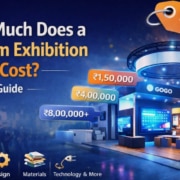
So, how much does a custom exhibition stand cost in general? While prices vary widely, here is a rough estimate:

  • Small custom stand (9–18 sqm): ₹1,50,000 – ₹4,00,000

  • Medium custom stand (18–36 sqm): ₹4,00,000 – ₹8,00,000

  • Large custom stand (36+ sqm): ₹8,00,000 – ₹20,00,000+

Prices may vary based on country, exhibition city, and customization level.


Key Factors That Affect Custom Exhibition Stand Cost

1. Booth Size & Layout

The size of your exhibition space is one of the biggest cost drivers. Larger stands require more materials, labor, lighting, and logistics, increasing the overall cost.

  • Island booths cost more than shell scheme booths

  • Double or triple open sides increase design complexity


2. Design Complexity

A simple custom design will cost significantly less than a high-end, experiential stand.

Cost increases with:

  • Unique shapes and structures

  • Double-decker stands

  • Interactive elements

  • LED walls and digital screens

More creativity equals higher design and fabrication costs.


3. Materials Used

The choice of materials directly impacts the custom exhibition stand price.

Common materials include:

  • MDF and plywood (cost-effective)

  • Metal and aluminum (durable but expensive)

  • Glass, acrylic, and premium finishes (high-end look)

Premium materials increase both cost and perceived brand value.


4. Graphics, Branding & Printing

High-quality graphics are essential for brand impact.

Costs depend on:

  • Size of printed graphics

  • Fabric vs vinyl prints

  • 3D logos and backlit branding

Professional branding enhances visibility but adds to the total cost.


5. Technology & Interactive Elements

Adding technology can significantly increase your exhibition stand cost.

Examples include:

  • LED video walls

  • Touchscreen kiosks

  • VR or AR experiences

  • Audio-visual systems

While expensive, these features greatly improve visitor engagement.


6. Lighting & Electrical Work

Lighting plays a crucial role in booth presentation.

Cost factors:

  • Spotlights and ambient lighting

  • LED strips and accent lighting

  • Power supply and cabling

Well-planned lighting can elevate even a simple stand design.


7. Installation, Dismantling & Labor

Custom stands require skilled labor for installation and dismantling.

Costs include:

  • Carpenter and technician charges

  • Setup time

  • Dismantling after the event

International exhibitions generally have higher labor costs.


8. Transportation & Storage

Transporting materials to the exhibition venue is another major cost component.

Factors affecting cost:

  • Distance to venue

  • Weight and size of materials

  • Storage for reuse

Efficient logistics planning can help control expenses.


Custom Exhibition Stand Cost Breakdown (Example)

Cost Component Percentage
Design & Concept 10–15%
Fabrication & Materials 40–50%
Graphics & Branding 10–15%
Lighting & AV 10–20%
Installation & Logistics 10–15%

Is a Custom Exhibition Stand Worth the Cost?

While the upfront cost may seem high, a custom exhibition stand delivers long-term benefits:

  • Strong brand recall

  • Higher footfall

  • Better lead quality

  • Premium brand positioning

For product launches, flagship events, and competitive exhibitions, custom stands offer excellent ROI.


How to Reduce Custom Exhibition Stand Cost

Here are some smart ways to optimize your budget:

  • Reuse structural elements

  • Focus on key branding areas

  • Avoid overuse of technology

  • Choose lightweight materials

  • Work with experienced exhibition stand designers

Planning early also helps avoid last-minute expenses.


Custom vs Modular Stand Cost – Quick Comparison

Feature Custom Stand Modular Stand
Initial Cost High Low
Branding Impact Very High Moderate
Reusability Limited High
Best For Premium Exhibitions Frequent Events

 Final Thoughts – How Much Does a Custom Exhibition Stand Cost?

To conclude, how much does a custom exhibition stand cost depends entirely on your requirements. There is no fixed price, but with proper planning, a custom stand can become a powerful marketing asset rather than an expense.

If your goal is to create a memorable brand experience and stand out on the exhibition floor, investing in a custom exhibition stand is absolutely worth it.


Call to Action (CTA)

Looking for an accurate quote for your custom exhibition stand design? Connect with professional exhibition stand designers to get a tailored solution that fits your budget and branding goals.

Custom Exhibition Stand Design vs Modular Stands

Custom Exhibition Stand Design vs Modular Stands – Full Comparison

Choosing the right exhibition stand plays a crucial role in determining the success of your trade show or exhibition presence. Businesses often face a common dilemma: Custom Exhibition Stand Design vs Modular Stands. Both options have unique advantages, costs, and use cases. Understanding their differences can help you make a strategic decision that aligns with your brand goals, budget, and marketing objectives.

This detailed comparison will help you evaluate custom exhibition stands and modular exhibition stands based on design, flexibility, cost, branding impact, and return on investment (ROI).


What Does a Custom Exhibition Stand Design?

A custom exhibition stand design is a fully tailor-made booth created specifically for a brand. It is designed from scratch, keeping your brand identity, marketing goals, and exhibition space in mind.

Key Features of Custom Exhibition Stands

  • Unique and exclusive design

  • Strong brand storytelling

  • Customized layout, lighting, and graphics

  • High-quality materials

  • Designed for a specific exhibition or campaign

Custom stands are ideal for brands looking to create a strong visual impact and stand out in competitive trade shows.


What Is Modular Exhibition Stands?

Modular exhibition stands are pre-engineered systems made of interchangeable components that can be assembled and reconfigured for different exhibitions.

Key Features of Modular Stands

  • Reusable and flexible structure

  • Easy installation and dismantling

  • Cost-effective for multiple events

  • Lightweight materials

  • Scalable design options

Modular stands are perfect for businesses that attend exhibitions frequently and require adaptability.


Custom Exhibition Stand Design vs Modular Stands – Detailed Comparison

1. Design & Visual Impact

Custom Exhibition Stand Design
Custom stands offer unmatched creativity. Designers can incorporate unique shapes, digital displays, LED walls, and experiential elements that reflect your brand personality.

Modular Stands
While modern modular systems look professional, design creativity is limited compared to custom builds. They often rely on standardized layouts.

Winner: Custom Exhibition Stand Design


2. Branding & Brand Recall

Custom Stands
Custom booths enhance brand recall through personalized colors, logos, storytelling elements, and immersive experiences.

Modular Stands
Branding is mostly graphic-based and less immersive, though still effective for basic brand visibility.

Winner: Custom Exhibition Stands for strong branding


3. Cost Comparison

Custom Exhibition Stand Design

  • Higher initial cost

  • Ideal for flagship events

  • Better suited for premium brands

Modular Exhibition Stands

  • Lower upfront investment

  • Cost-effective over multiple exhibitions

  • Budget-friendly for startups and SMEs

Winner: Modular Exhibition Stands


 4. Flexibility & Reusability

Custom Stands
Mostly designed for specific booth sizes and layouts. Reusability is limited unless modified.

Modular Stands
Highly flexible and reusable. Components can be rearranged to fit different booth sizes.

Winner: Modular Stands


5. Installation & Logistics

Custom Exhibition Stands

  • Require skilled labor

  • Longer setup time

  • Higher transportation costs

Modular Stands

  • Quick assembly

  • Minimal manpower required

  • Easy to transport and store

Winner: Modular Exhibition Stands


6. Durability & Material Quality

Custom Stands
Built using premium materials like wood, metal, glass, and high-end finishes.

Modular Stands
Made with lightweight aluminum frames and fabric or PVC panels, offering good durability but less premium feel.

Winner: Custom Exhibition Stand Design


7. Return on Investment (ROI)

Custom Exhibition Stands
Best ROI for high-impact exhibitions, product launches, and brand positioning.

Modular Stands
Better ROI for businesses attending multiple exhibitions annually.

Winner: Depends on marketing strategy


Which Exhibition Stand Is Right for Your Business?

Choose a Custom Exhibition Stand Design if:

  • You want maximum brand visibility

  • You are launching a product or targeting premium clients

  • You participate in limited but high-profile exhibitions

Choose Modular Exhibition Stands if:

  • You attend exhibitions frequently

  • You need flexibility and cost control

  • You are a startup or growing business


Custom vs Modular Exhibition Stands – Quick Comparison Table

Feature Custom Exhibition Stand Modular Stand
Design Creativity High Medium
Branding Impact Very High Moderate
Cost High Low
Reusability Limited High
Installation Time Longer Quick
Best For Premium Brands Frequent Exhibitors

Final Verdict – Custom Exhibition Stand Design vs Modular Stands

There is no one-size-fits-all solution when it comes to custom exhibition stand design vs modular stands. Your decision should depend on your budget, exhibition frequency, branding goals, and target audience.

For brands aiming to dominate the exhibition floor and create memorable experiences, custom stands are the best choice. However, for flexibility, affordability, and practicality, modular stands deliver excellent value.

Call to Action (CTA)

Looking for expert guidance on custom exhibition stand design or modular exhibition solutions? Partner with a professional exhibition stand designer to create a booth that attracts, engages, and converts visitors into customers.