Posts

Open vs Enclosed Exhibition Stands: Boosting Visitor Interaction

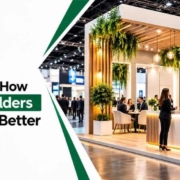
Open vs Enclosed Exhibition Stands: How Exhibition Stand Builders Netherlands Create Better Visitor Interaction

Open stands suit brands that want more visitors and quick, easy conversations. Enclosed stands suit brands that want private, focused meetings with serious buyers. The right choice depends on whether your goal at the show is reach or relationships, and many exhibitors in the Dutch market end up blending both.

Think of your stand as the first conversation you have with a buyer, before anyone says a word. That’s why experienced exhibition stand builders in Netherlands spend as much time on visitor movement, comfort and sightlines as they do on branding. Let’s understand how each format works and how to pick the one that fits.

What your Exhibition Stand Builders in Netherlands Ask Before Designing

The first meeting is rarely about colours. It’s about who you want standing in front of you on day two. A product launch needs a crowd. A distributor negotiation needs a door that closes. It sounds obvious, yet plenty of brands copy a layout they liked on someone else’s stand and then wonder why their leads feel thin.

Staffing matters more than people admit, too. Four people squeezed into a small enclosed room look defensive, and two people lost on a huge open island look a bit lonely.

Open Stands- Great for Footfall

An open stand has one to three sides facing the aisle, with nothing between you and the visitor. People wander in because there’s no awkward threshold to cross. It works best when your product explains itself quickly, like a gadget, a sample or a screen demo.

  • More walk-ins, since nobody hesitates at a door
  • Visible from further down the hall
  • Easier for your team to say hello without chasing anyone
  • Pairs nicely with demos and live product handling

Height does a lot of the work here. A custom exhibition stand Amsterdam exhibitors commission for a packed hall often has a tall overhead structure doing the shouting, while the floor below stays clear and easy to enter.

Enclosed Stands: Great for Real Conversations

Think walls, partitions and a proper meeting room. Enclosed stands cut the noise and give buyers permission to speak openly about pricing, specs and timelines. They suit technical products and long sales cycles, where one good conversation is worth fifty quick hellos.

  • Private rooms for pricing and contract talks
  • Quiet enough that people can actually hear each other
  • Hidden storage for stock, laptops and coats
  • A more exclusive feel for high-value guests

The downside is that solid walls can read like a “keep out” sign. A thoughtful stand builder Netherlands brands hire will fix that with glass panels, a welcoming reception counter and warm lighting, so visitors can see inside before they step in.

The Hybrid Most Exhibitors End Up With

Keep the front open and put a semi-private room at the back. Browsers chat at the front, and qualified buyers get walked through to the quieter space. It also helps your team: junior staff handle the casual traffic, senior people spend their energy on the leads that matter, and nobody’s time gets wasted.

How to Compare Your Options

When you line up quotes from different exhibition stand builders Netherlands has on offer, try not to stop at the price. Ask whether design, fabrication, transport, installation and dismantling sit with one team or get passed between several. Venue rules also differ from hall to hall, with height limits, fire norms and rigging restrictions all in play, so a builder who knows them saves you real headaches.

Ask for photos of finished stands, not only renders. And think about timing. A stand that arrives late or needs fixing on the morning of day one costs you momentum you can’t buy back.

Where Spectra Creatives Fits In

We work with pharma, beauty, packaging, automotive, food and tech brands, taking a stand from the first 3D concept to the final bolt on site. For overseas shows, our work as exhibition stand builders in Netherlands and across Europe means fewer surprises during build week.

Let’s Talk About Your Stand

Share your show, your goals and your budget, and we’ll suggest the layout that fits.

Email: info@spectracreatives.com

Website: https://spectracreatives.com/

FAQs

Which stand type attracts more visitors?

Open stands, because there’s no physical barrier to entry.

Can I mix open and enclosed areas?

Yes. An open front with a private meeting zone at the back is one of the most popular setups.

How early should I start planning?

Three to four months before the show is a comfortable window for design, fabrication and logistics.
IBC Amsterdam 2026

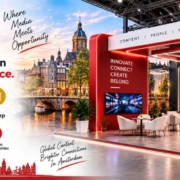
IBC Amsterdam 2026: How Exhibition Stand Design Can Shape Visitor Experience

IBC Amsterdam 2026 is going to take place at RAI Amsterdam from 1 to 14 September. More than 1,300 exhibitors and 45,000 professionals are going to attend. In such a case, your exhibition stand design has only a few seconds to capture attention at your booth and also a limited time to shape the overall visitor experience and make a final impact. This is why designing your stand in an impactful manner is highly needed.

Spectra Creatives is a prominent name as an exhibition booth design and fabrication company. With 360-degree turnkey management, we help you design exhibition stands that beautifully blend technicality with creativity at major trade shows like IBC Amsterdam 2026, attracting visitors and making a fun and memorable experience for them.

Why Design Decides the First Impression

With this many exhibitors competing for attention across content creation, streaming technology, AI, and media infrastructure, visitors are scanning fast, not browsing slowly. A stand relying purely on flashy graphics without a coherent flow tends to lose people within seconds. Thoughtful exhibition stand design Amsterdam exhibitors invest in usually starts with a simple question: what does someone actually experience walking past this stand, not just standing directly in front of it?

Layout Shapes How People Actually Move

Visitor flow isn’t an afterthought, infact it’s one of the first things worth planning. A few things that genuinely change how a stand performs on a busy show floor:

  • Clear entry points that don’t force visitors to squeeze past existing conversations
  • Sightlines that let people see key messaging from several meters away, not just up close
  • Distinct zones for browsing versus deeper conversation, so casual visitors don’t feel pressured into a sales pitch immediately

Skilled exhibition booth designers Amsterdam work with brands and tend to treat this as core to the design brief, not something bolted on after the visuals are finalized.

Interactive Elements Hold Attention Longer

At a technology-heavy show like IBC, static displays struggle against stands offering live demos, interactive screens, or hands-on product trials. Visitors remember what they actually did at a stand far more than what they simply looked at, which matters enormously in a show floor spanning content, broadcast, and media technology this specialized.

Materials and Finish Affect the Whole Four Days

A stand needs to hold its presentation quality across the entire run, not just the opening morning. Durable finishes, properly tested lighting, and structural elements built for the specific hall’s requirements all affect whether a custom exhibition stand Amsterdam exhibitors invest in still looks sharp on day four, when foot traffic and general wear have had time to take their toll.

Why Local Build Experience Matters at This Scale

RAI Amsterdam’s halls vary in ceiling height, loading access, and specific build regulations, and a design that ignores these constraints risks costly changes during a tight installation window. Working with established exhibition stand builders Netherlands that exhibitors trust means these details get worked into the design early, rather than surfacing as problems once fabrication is already underway.

Spectra Creatives designs and builds stands specifically with this kind of visitor-experience thinking front and center. They treat layout, materials, and interactive elements as connected decisions rather than separate boxes to tick, so the stand performs from the first hour of the show through to the last.

Design That Works for the Whole Show, Not Just Photos

A booth that appears to be impressive in illustrations but confuses visitors personally fails to achieve its primary purpose. The right selection of flow, materials, and interactive features at the very beginning allows distinguishing the booth that is remembered from the one people simply pass by.

Stand Builder Netherlands

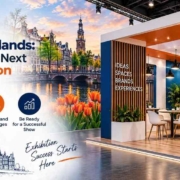
Stand Builder Netherlands: How to Prepare for Your Next Amsterdam Exhibition

Amsterdam runs a packed exhibition calendar year-round and it hosts dozens of major trade shows across sectors as different as horticulture, tech, and healthcare. Booking a good venue slot is only half the job. Finding a stand builder Netherlands exhibitors can actually rely on for the build itself is where most of the real planning work sits.

Why Amsterdam Shows Aren’t All the Same

RAI Amsterdam’s various halls each come with their own quirks, different ceiling heights, different loading dock access, different rules depending on the specific show organiser. A design that worked fine at one hall doesn’t automatically translate to another, and a team that’s only worked one or two shows there won’t necessarily know what’s coming. This matters more than people expect, since discovering a height restriction or a power access limitation during move-in leaves almost no time to adjust anything.

A few things worth checking before locking in a design:

  • Hall-specific ceiling and structural height limits, which vary considerably across RAI’s different sections
  • Loading dock scheduling, since move-in windows get tight fast with multiple exhibitors building at once
  • Local fire safety and material certification rules, which aren’t always spelled out clearly in a general exhibitor manual

What Actually Separates a Good Builder From an Average One


Plenty of companies advertise themselves as exhibition stand builders Netherlands, that exhibitors can trust, but the actual reliability shows when they have to build reliable exhibition stands at the specific venue when the show is running.

A good builder separates from average ones, through attention to detail and transparent communication rather than simply finishing the job. A team with genuine experience knows how to maintain quality and transparency and realistic schedules and financial control. The experience they have gained through years shows up when they take a project and do the work with complete honesty and transparency.

Custom Design Still Has to Work Within the Venue’s Rules

A custom exhibition stand Amsterdam brands actually want isn’t just a striking concept on paper. It has to hold up against whatever constraints the specific hall throws at it. A lower ceiling section can become a deliberate design feature instead of a compromise. A fixed power point location can shape furniture placement in a way that improves how visitors actually move through the space, rather than forcing an awkward workaround.

Before committing to a builder, a few direct questions tend to reveal a lot:

  • Have they actually built at the exact venue and hall your show is using?
  • Do they handle design and on-site fabrication themselves, or hand installation off to a subcontracted crew?
  • What’s their process if something unexpected comes up mid-build – a delayed delivery, a last-minute venue requirement?

Vague or overly general answers here are usually a warning sign.

Local Logistics Are Easy to Underestimate

Shipping materials into the Netherlands, coordinating any customs requirements for equipment coming from outside the EU, and managing local labour all get considerably smoother with a team that already has working relationships within RAI’s ecosystem. Exhibitors coordinating everything remotely from another country often run into the same avoidable problems — miscommunicated measurements, delayed deliveries, or installation crews unfamiliar with a specific hall’s access rules.

Spectra Creatives works with exhibitors preparing for shows across RAI Amsterdam and other Dutch venues, bringing venue-specific knowledge into the design stage itself rather than treating logistics as something to sort out after the concept’s already locked in.

Handling the Unexpected on Installation Day

Even a well-planned build hits surprises, a shipment running late, a venue requirement that shifts, a measurement that doesn’t quite match what was expected on-site. What separates an experienced builder is the ability to solve these problems on the ground quickly, rather than escalating everything back through a design team that isn’t physically present.

Why Timing Matters More at Larger Amsterdam Shows

RAI hosts some genuinely large international shows, and at that scale, hundreds of exhibitors are all building within the same tight window. Any delay tends to compound fast under those conditions. A builder who’s navigated that pressure before brings a kind of calm, practical problem-solving that’s hard to fake with good intentions alone.

Getting Started Early

Venue complexity isn’t something exhibitors should have to work through alone, and it’s genuinely difficult for a design-only firm without on-the-ground fabrication experience to anticipate fully. Spectra Creatives combines design and build under one process specifically to close that gap, so venue knowledge shapes the stand from the first sketch through to the final walkthrough before doors open.

FAQs

Do exhibition rules really differ between RAI Amsterdam’s halls?

Yes. Ceiling height, loading access, and fire safety requirements can vary noticeably from one hall to another.

Is it worth hiring a local Dutch stand builder if my company is based elsewhere?

Generally yes, since local logistics and venue relationships are hard to replicate from a distance.

How far ahead should I book a stand builder for a major Amsterdam show?

Around 10-12 weeks out is a safe window for design, venue coordination, and fabrication.