Posts

Bespoke Exhibition Stand in Germany

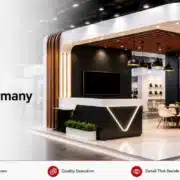
5 Design Decisions That Make a Bespoke Exhibition Stand in Germany More Memorable

We get asked a lot what actually makes an exhibition stand in Germany stick with people. Usually it’s not one big thing. It’s the layout working properly, decent materials, good lighting, a story worth remembering, and a build that doesn’t waste half of itself after one show. Get most of that right and people bring your brand up weeks later, long after Hannover Messe or IFA Berlin has ended. At Spectra Creatives, we’ve seen one bad decision quietly ruin months of good planning.

1-Layout Flow That Keeps Visitors Walking In

A lot of exhibitors pour the budget into graphics and treat the floor plan as an afterthought. A narrow entrance, or a reception desk tucked behind a wall of banners, kills footfall before anyone’s said hello. What works better is simpler than people expect: open sightlines, a welcome area that reads clearly from a distance, and one spot to sit for longer conversations. Hannover Messe pulls in visitors from more than 60 countries most years, so a floor plan that makes sense at a glance counts for something. It’s a fast way to make an exhibition stand in Germany feel considered rather than thrown together.

2-Material Choices That Change How a Stand Feels

Timber, brushed metal, fabric panels, backlit acrylic, each sends a different message before a rep opens their mouth. A few patterns we’ve noticed:

  • Warm woods and soft textiles tend to suit lifestyle or wellness brands
  • Matte metal and glass lean precise, which works well for tech and engineering companies
  • Fabric structures pack down light, handy if you’re doing several cities in a row
  • Reusable modular panels save money over repeat bookings, and cut down on waste too

This is really the heart of bespoke exhibition stand design. Materials get chosen because they fit the brand standing inside them, not because they were sitting on a shelf.

3-Lighting Design That Shapes First Impressions

Lighting rarely gets the budget it deserves. Flat overhead lighting flattens whatever’s underneath it, and a well-built stand can end up looking like a warehouse aisle under the wrong fixtures. Layering helps: accent spots on hero products, something warmer near the seating, a bit brighter at the entrance. Small change, but it shifts how premium a space feels within seconds.

4-A Story Strong Enough to Influence Buying Decisions

More than most exhibitors give it credit for. Walk Frankfurt’s Messe complex for an afternoon and dozens of booths blur together. The ones people remember have one clear thread: what the product solves, who it’s for, why that matters now. What tends to hold that thread together:

  • One message you can read from ten metres away, not five competing ones
  • A single product people can actually touch, not just a spec sheet
  • Staff who can pitch it in two sentences, not a memorised script

An exhibition stand in Germany without a story usually ends up as “the one near the coffee stand,” not because it looked bad, just because nobody left with a reason to remember it.

5- Sustainable Building as a Genuine Selling Point

Germany hosts roughly two-thirds of the world’s leading international trade fairs, and organisers have spent the last few years pushing exhibitors toward reusable, lower-waste builds. Modular frames that get reconfigured for the next show, FSC-certified timber, water-based inks, none of it’s a box to tick anymore. German visitors, especially in industrial circles, actually ask about it. Skip that conversation on an exhibition stand in Germany and it starts looking dated fast.

Why Do These Five Decisions Work Best Together?

None of this works well in isolation, and that’s easy to miss. A beautifully lit stand with no story falls flat. A great story on cheap materials feels unconvincing before anyone reads a word of it. That’s the whole case for bespoke exhibition stand design: every piece supports the same idea, instead of getting cobbled together from a rental warehouse. It’s also why brands comparing stand builders Germany wide keep circling back to the same small group of studios, ones that treat design and fabrication as one job, not two separate hand-offs.

Spectra Creatives has built across enough German cities by now, Cologne, Munich, Frankfurt, to know which of these five decisions tends to slip when deadlines get tight, and which ones quietly decide whether a stand gets remembered past opening day.

Frequently Asked Questions

How far in advance should a bespoke stand be planned?

Most major fairs need somewhere around 8 to 12 weeks for a fully custom build. Larger footprints usually need more.

Do modular stands cost less than fully custom builds?

Often, at least upfront. Though a well-designed modular system can get reused across several shows, which changes the maths over time.

Is Frankfurt the best city for exhibition builds in Germany?

It’s certainly one of the busiest, given how many major fairs pass through it, which is part of why demand for exhibition stand builders Frankfurt stays steady year-round. Cologne, Munich, and Düsseldorf all see plenty of activity too, though.

Ready to Build Something Memorable?

If your next trade fair deserves more than a rented shell, Spectra Creatives can help you shape a stand that actually holds a room. Get in touch and let’s talk through what you’re building next.

Custom Exhibition Stand Design for ACETECH 2026

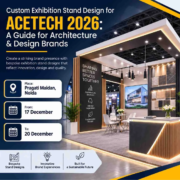
Custom Exhibition Stand Design for ACETECH 2026: A Guide for Architecture & Design Brands

ACETECH is Asia’s leading trade exhibition for architecture, building, and construction technologies. Your exhibition booth designs are a direct reflection of your organization’s design capability and how far your vision goes. One of the few major factors that decides how successful your exhibition stand is how strategically you have designed it. Your exhibition stand will have a direct impact on how well you can control your visitor flow, how creatively you can highlight your product’s innovation, and the way you can integrate complex building systems without cluttering the physical space.

Understanding the ACETECH Audience

The estimated number of visitors attending ACETECH 2026 is approximately 100,000. The majority of these are not normal visitors; they are elite architects, interior designers, and developers. So, the quality and overall design of your stand will be judged by them at first impression because their training teaches them to quickly spot critical factors of a bespoke exhibition stand design, like spatial balance, material quality, and light behavior. They will almost instantly spot any crooked lines, bad lighting, and weak joints.

Any such problems with your stand will have a major detrimental effect on your brand reputation. This is why you cannot make your exhibition stand just a promotional booth. In fact, it must be an architectural statement in and of itself.

The solution to it is making your exhibition stand a custom one so that you can create a professional environment.

Why Choose a Custom Exhibition Stand at ACETECH 2026

A custom exhibition stand design helps you effectively make a distinguished brand identity. Choosing a custom stand gives you the following advantages:

  • High-impact visual identity so that you can differentiate your brand in a massive hall.
  • Tailored product integration: A custom stand helps you convey your specific products (which are heavy or oversized, such as architectural hardware or luxury stores) in front of your target audience.
  • Optimizing visitor flow: A carefully planned layout means you can smoothly direct traffic at your exhibition stand.
  • Making dedicated discussion zones in your custom stand provides you with the much-needed space for private or semi-private meeting areas. This helps you secure high-value B2B deals.
  • Making an integrated product testing platform so that your booth can conduct live technology demos and successfully integrate them.

Core Design Pillar for a Show-Stopping Custom Stand at ACETECH 2026

  • Go for Structural Innovation: You can use unique geometry or double-decker (two-story) structures, or cantilevered elements to dominate the hall’s skyline and catch the immediate attention of your visitors.
  • Architectural Lighting Mastery: Lighting, no doubt, is an important factor, and thus to be unique, it’s best to move away from harsh trade-show floodlights and instead use CRI-optimized LEDs, backlit panels, or ambient accent lighting, so that your product can be shown in its true color.
  • Flawless Material Integration: It would be wonderful if you could let your products be part of your design structure. For instance, using your premium stone for the reception desk.

Conclusion

A custom exhibition stand at ACETECH designed by an expert exhibition stand designer like Spectra Creatives can make your exhibition stand a high-yielding brand investment and go beyond being an administrative marketing expense.

With years of experience building for architecture-led audiences, Spectra Creatives turns bespoke exhibition stand design into a fully engineered brand experience.

CPHI & P-MEC India 2026

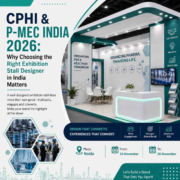
CPHI & P-MEC India 2026: Why Choosing the Right Exhibition Stall Designer in India Matters

CPHI & P-MEC India lands in Noida this year, running November 24 to 26, and for anyone in pharma, packaging, or process technology, it’s one of those shows where the booth genuinely decides how the three days go. Big pharma names, packaging suppliers, and machinery manufacturers all end up on the same floor, and a stand that blends into the crowd tends to get walked past regardless of how good the product actually is.

Why the Stall Matters More at a Show Like This

CPHI & P-MEC pulls in a technical, decision-making audience – procurement heads, R&D leads, plant managers – people who are there to evaluate, not browse casually. That changes what a booth needs to do. It’s less about looking impressive from a distance and more about communicating what the company actually does within the first few seconds someone walks past. An exhibition stall designer in India who understands pharma and process manufacturing audiences tends to design very differently than one working a generic consumer show.

What Separates a Good Designer From a Generic One

Plenty of vendors can put up walls, lighting, and a logo. Fewer can actually translate a brand’s technical positioning into a physical space that makes sense to someone walking the aisle for the first time. This is where experienced exhibition booth designers earn their fee – understanding sightlines, product display flow, and how to make a technical offering feel approachable without dumbing it down.

Modular vs Bespoke: Which Actually Fits CPHI & P-MEC

Two paths tend to come up for a show this size. Modular exhibition stand builders work well for companies exhibiting across multiple shows a year, since the structure can be reconfigured and reused rather than rebuilt from scratch each time. A bespoke exhibition stand design, on the other hand, suits a company making a specific statement at a specific show – a product launch, a market entry, something that calls for a stand built around one narrative rather than a reusable template.

What to Actually Check Before Choosing a Designer

– Experience specifically with pharma, packaging, or process technology exhibitors, not just generic trade show work

– Whether the fabrication team is in-house or subcontracted, since that affects both quality control and accountability on-site

– Track record with venues similar to the Noida exhibition center

– Whether the designer offers both modular and bespoke options, rather than pushing one approach regardless of fit

Getting the Timeline Right

With the show running November 24 to 26, booth planning realistically needs to start months out – design, fabrication, and logistics all take time, and pharma and process equipment stands in particular often involve technical displays that need extra lead time to build correctly.

Spectra Creatives has handled exhibition builds across India and internationally, working with brands that need a stand doing more than filling floor space. For a show like CPHI & P-MEC India, where the audience is technical and the competition is dense, that kind of design experience tends to be the difference between a booth people walk past and one they actually stop at. Spectra Creatives in-house design and fabrication teams manage the process from concept through on-site installation, which keeps the finished stand consistent with what was actually planned.

SMM Hamburg 2026

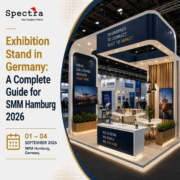
Exhibition Stand in Germany: A Complete Guide for SMM Hamburg 2026

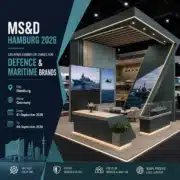
SMM Hamburg is the world’s leading maritime trade fair. When it opens on 1 September 2026 at Hamburg Messe und Congress, it will draw 2,200+ exhibitors and over 48,000 visitors from more than 100 countries – shipbuilders, shipowners, naval architects, marine technology providers, port authorities, classification societies, and defence contractors who gather every two years in Hamburg to do serious business.

The 2026 theme is “driving the maritime transition” – decarbonisation, sustainable shipping, and energy-efficient ship technologies sit at the centre of the programme. That context shapes not just what’s being shown on the floor but what the audience expects from the brands showing it. For anyone planning an exhibition stand in Germany for SMM, the considerations start well before the build and go far beyond the visual design.

Understanding the SMM Floor Before the Brief Is Written

Hamburg Messe is one of the most professionally demanding exhibition venues in Europe. The halls are large, the exhibitor standard is consistently high, and the audience – buyers and decision-makers from across the global maritime supply chain – moves through the floor with specific objectives. Wärtsilä, SCHOTTEL, VULKAN Group, and most of the major names in marine engineering and propulsion have exhibited here for decades. Their booth presence reflects the commercial weight they bring to the show.

For any brand entering this environment, the exhibition booth design has to do more than look professional – it has to communicate technical credibility, product capability, and brand authority to an audience that knows the industry inside out and can spot a poorly considered stand from across the aisle.

Hamburg Messe: What German Exhibition Regulations Actually Require

German exhibition venues operate under strict technical regulations, and Hamburg Messe is no exception. Structural requirements for two-storey stands, DIN-compliant electrical installations, fire safety certification, aisle width regulations, material standards, and build and breakdown window constraints are all enforced – not suggested.

The process of producing a compliant exhibition stand in Germany requires engagement with these regulations from the design stage, not after the fact. Structural drawings need to be approved before fabrication begins. Electrical specifications need to meet German standards. Height and overhang restrictions vary by hall and need to be confirmed against the specific floor plan allocation before the concept is finalised.

An exhibition booth designer working in this market regularly will have existing relationships with Hamburg Messe’s technical team and a compliance process already built into their project workflow. One who doesn’t will discover the requirements on build day – which is a bad time to discover anything.

The Maritime Transition Theme Changes What Booths Need to Show

SMM 2026’s focus on decarbonisation and sustainable shipping isn’t just a conference theme -it’s what the audience is actively evaluating on the floor. Shipowners and operators attending SMM in 2026 are looking at alternative fuels, energy efficiency technologies, emissions monitoring systems, and digital fleet management solutions. Brands in these spaces need exhibition booth designs that reflect the innovation behind what they’re showing, not just a table of printed datasheets.

That means technology integration – interactive product demonstrations, data visualisation displays, digital twin presentations – needs to be built into the stand concept from the brief rather than added as an afterthought. The best exhibition stand design outcomes at technically sophisticated shows like SMM come from treating the booth as a product demonstration environment, not just a branded backdrop.

Bespoke vs Modular at SMM Hamburg

The choice between bespoke exhibition stand design and a modular system at SMM depends on what the brand needs to achieve on that specific floor. For brands making their first appearance at SMM with a limited product range and a modest floor allocation, a well-designed modular system can deliver a credible result without the investment of a full custom build.

For brands with larger floor allocations, complex product demonstrations, or private meeting requirements – all common at SMM – bespoke exhibition stand design consistently outperforms modular systems in how it handles these needs simultaneously. A custom build can be engineered around the specific technical and commercial objectives of the exhibitor rather than adapted from a standard configuration that wasn’t designed with those objectives in mind.

Starting Early Is Not Optional at This Show

SMM is a biennial event. The brands that perform consistently well here treat the two-year cycle as a planning window, not breathing room. For new exhibitors or those significantly upgrading their presence, a timeline of ten to sixteen weeks from confirmed brief to completed fabrication is realistic – which means September 2026 decisions need to be made now, and 2028 planning conversations should start well before 2027.

Spectra Creatives has been delivering exhibition stands across Germany and European maritime shows since 2008, with an established office in Germany, on-ground venue relationships across Hamburg Messe, and a client list that includes some of the most recognised names in industrial and technology exhibition.


Business Show Asia 2026 exhibition stand design at Marina Bay Sands

The Business Show Asia 2026: How Exhibition Stand Builders Singapore Help You Stand Out at MBS

The Business Show Asia 2026 runs 26 to 27 August at Marina Bay Sands – two days, one of the most commercially concentrated B2B floors in Southeast Asia, and an exhibitor list that already includes Google Singapore, Salesforce, Zoho, Xero, Monday.com, Deel, Boston Consulting Group, Singtel, and StarHub.

Standing out in that crowd isn’t a matter of showing up with something adequate. The brands that walk away from The Business Show Asia with real results are the ones who treated their stand as a commercial decision long before the show opened, and worked with exhibition stand builders Singapore professionals who understand the difference between a structure that looks good and one that actually generates leads.

What The Business Show Asia Actually Demands from a Booth

This isn’t a niche industry expo. The Business Show Asia draws SMEs, startups, investors, and business decision-makers across sectors – a broad, commercially active audience that moves fast and evaluates quickly. The exhibitors confirmed for 2026 include some of the most recognised B2B brands operating in the Asia-Pacific region. The floor will be busy, well-funded, and professionally presented.

An exhibition booth design that looks like a shell scheme with a pull-up banner doesn’t just underperform – it actively signals the wrong things about the brand behind it. At a show where Salesforce and Google are neighbouring exhibitors, the brands that haven’t invested in proper bespoke exhibition stand design are going to feel that gap in the conversations they’re not having.

The Build Has to Do Commercial Work, Not Just Look Good

The most common mistake at business-focused shows is treating the booth as a backdrop rather than a commercial tool. The layout, the messaging hierarchy, the conversation flow – these aren’t design preferences; they’re decisions that determine how many qualified interactions happen across two days.

A well-briefed exhibition booth designer asks different questions at the start of a project: Who is the target visitor? What does a successful interaction look like? Where should the product demo sit? How many people should the booth handle at peak capacity without becoming chaotic? How does a visitor move from curiosity to conversation without feeling pressured?

The answers to these questions shape the exhibition booth designs that actually convert on the floor – not just the ones that photograph well in the post-show recap.

MBS Venue Compliance Is Not Optional

Marina Bay Sands has some of the strictest exhibition venue regulations in Singapore – height limits, fire safety certifications, electrical load requirements, build window constraints, and rigging approvals that vary depending on the hall and the floor area. A stand built without accounting for these requirements gets modified or pulled before the show opens.

Exhibition stand builders brands use for MBS builds need to have existing relationships with the venue operations team, established knowledge of the specific hall requirements, and a compliance management process built into the project timeline rather than bolted on at the end.

Spectra Creatives has been delivering exhibition builds at major Singapore venues since 2008 – with on-ground partners across the city and a Germany-based office supporting international clients exhibiting in Asia. Every project includes full compliance management as a standard part of the scope, not an afterthought.

Event Fabrication in Singapore: What the Timeline Actually Looks Like

The Business Show Asia runs 26 to 27 August. For event fabrication Singapore projects at MBS, a realistic timeline from confirmed brief to completed fabrication runs ten to fourteen weeks, depending on complexity – which means the window for getting a brief confirmed and a design process started is already running.

Brands that start the brief in July are working against a compressed timeline that limits design iterations, material choices, and the ability to catch and correct compliance issues before fabrication begins. Brands that confirm earlier get better results at the same budget.

The exhibitor list for The Business Show Asia 2026 is live at asiabusinessshow.com – the competitive landscape on that floor is already visible, and the brands that treat their booth as a commercial decision rather than a logistics one are already moving.

Ready to Brief the Build?

Spectra Creatives works with exhibitors attending The Business Show Asia and the broader Singapore exhibition calendar – delivering bespoke exhibition stand design and full fabrication from concept through to post-show breakdown.

2000+ completed projects. 16+ years of international exhibition experience. Clients including HP, Tata, Panasonic, and Biocon. Single point of contact from design to installation.

Best Exhibition Stand Design

How to Achieve the Best Exhibition Stand Design for Your Next Trade Show

Most exhibitors approach a trade show with a clear commercial objective – generate leads, launch a product, conduct open conversations with buyers in a new market. The stand is supposed to make all of that easier. However, achieving the best exhibition stand design requires careful planning. Many exhibitors rush the design process, submit the brief too late, and end up with a booth that looks better in the render than on the show floor.

Achieving the best exhibition stand design for a specific show isn’t about spending the most money. It’s about making the right decisions at the right stage of the process. Here’s what that actually looks like.

Start With the Brief, Not the Visuals

The single biggest factor in how a stand performs at a show has nothing to do with aesthetics -it’s how clearly the brief was written. An exhibition stand designer working from a detailed, strategic brief produces something fundamentally different from one working from “we want it to look modern and premium.”

A useful brief covers:

  • What products or services are being featured, and which ones are the priority
  • What kind of conversations the sales team needs to have – demos, private meetings, quick product introductions
  • How many visitors the space needs to handle comfortably at peak times
  • What the venue space looks like – dimensions, neighbouring stands, foot traffic direction
  • What success looks like at the end of day two

When your team answers these questions before design begins, the layout, materials, and visitor flow naturally fall into place. When they’re not, the design process fills in the gaps with assumptions that don’t always match what happens on the actual show floor.

Understand What Bespoke Actually Means

Many companies use the term “bespoke exhibition stand design” loosely in the industry. Some companies use it to mean “we’ll put your logo on our standard modular system.” Real bespoke design means the stand was conceived around the specific brief, the specific venue, and the specific commercial objectives of the exhibitor – not adapted from a template.

The difference shows in how the space functions. A genuinely bespoke exhibition stand design and build accounts for which side of the booth will see the most footfall and positions the key messaging accordingly. It designs the conversation flow – where visitors enter, where they naturally move, where the product demos sit, where private meetings happen – as part of the structure itself rather than leaving it to the sales team to figure out on the day.

This takes more time at the design stage. It also produces measurably better results on the floor, because the stand is working as hard as the people inside it.

Give the Process Enough Time

Submitting the brief late reduces the quality of the exhibition stand. Fabrication has a timeline that can’t be significantly compressed without cutting corners – manufacturers source materials, produce components, print and install graphics, assemble the structure, and inspect everything before delivering it to the exhibition venue.

For most custom builds, a realistic timeline from confirmed brief to completed fabrication is ten to sixteen weeks depending on complexity. Exhibitors who start that process with six weeks to go are already working with a compressed brief, limited design iterations, and less room to catch problems before they become expensive.

Teams consistently achieve the best exhibition stand design outcomes when they confirm the brief early and give the design process enough time to develop.

Think Beyond the Visual

A stand can look exceptional and still underperform commercially if the fundamentals aren’t right. Lighting that creates atmosphere but makes product demos hard to see. A layout that looks open in a render but creates bottlenecks when thirty people are inside. A graphic hierarchy that prioritises the brand name over the product benefit – the thing the visitor actually came to understand.

The best exhibition stand design always caters to experience first and structure second. What does a visitor see from ten metres away? What do they understand when they’re standing at the entrance? What do they do next, and where does that lead? These questions should have clear answers before fabrication begins, not on setup day.

What to Look for in a Stand Design Partner

Choosing the right exhibition stand designer matters more than most exhibitors realise when they go for their first custom build. The questions worth asking:

  • Do they cut dry or design around the actual floor conditions?
  • Can they show completed builds, not just renders?
  • Do they handle compliance for the specific venues on the schedule?
  • Is there a single point of contact through design, fabrication, and installation?
  • Do they offer storage and refurbishment for subsequent shows?

A partner who answers yes to all of these is definitely worth hiring.

Spectra Creatives has been delivering bespoke exhibition stand design and builds across global markets since 2008 – with 2000+ completed projects, an established German office, and clients including HP, Tata, Panasonic, and Biocon.