Posts

Bespoke Exhibition Stand in Germany

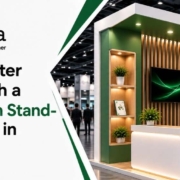
How to Make Better Use of Space with a Bespoke Exhibition Stand- Insight by Builder in Germany

Space efficiency starts with smart zoning, multi-level thinking, and furniture that earns its spot instead of sitting there for show. Even a modest 20 sqm plot can feel open and purposeful once it’s planned with intention rather than just filled to the edges. Here’s the mistake most exhibitors make without realising it – they pile in extra panels, extra shelves, extra everything, assuming more equals more value. It doesn’t. Nine times out of ten, it justa reads as clutter to someone walking past.

A well-designed exhibition stand in Germany works the opposite way- fewer distractions, clearer sightlines, and every metre earning its place. Most exhibitors only figure this out after their first cramped, easily-forgotten booth – a costly way to learn a fairly simple lesson.

What Makes Space for Bespoke Exhibition Stand Planning So Important at Trade Shows?

When you walk any hall at Messe Frankfurt or Messe Düsseldorf and you’ll notice how fast people judge a booth. Three seconds, maybe less, before someone decides whether to stop or keep moving. Germany hosts roughly two-thirds of the world’s leading trade fairs, so the competition for that split-second attention is genuinely tough. A cluttered layout gets ignored no matter how good the product is. This is exactly why a bespoke exhibition stand design matters so much here – it’s built to guide movement and put your message front and centre, not to just fill space.

How Do You Choose the Right Layout for Your Booth?

There’s no one “right” layout. It really depends on your goals, your product, and the space you have. Before choosing a floor plan, think about a few important things:

  • Map out where people will enter, pause, and exit
  • Set aside a semi-private corner for meetings or demos
  • Use vertical space – raised graphics, hanging structures – instead of relying only on the footprint
  • Keep walkways wide enough that visitors don’t feel boxed in

Get these basics right and the rest of an exhibition stand in Germany tends to fall into place without much fuss.

Bespoke Design and Every Square Metre

Modular kits off the shelf only stretch so far before they start looking like the stand two aisles over. That’s the trade-off nobody mentions upfront. A proper bespoke exhibition stand design flips that – storage tucked exactly where your team needs it, lighting angled to one hero product instead of flattening the whole space, furniture cut to fit that awkward corner plot rather than wasted around it. None of this is about looking pricier for the sake of it. It’s about the layout actually holding up once your team is standing in it for eight hours straight, talking to visitors, not just looking good in a render.

Why Work with Local Builders Instead of Importing a Stand?

This one surprises a lot of first-time exhibitors. Shipping a stand from abroad sounds simpler on paper, but rarely is in practice. Working with stand builders in Germany usually means:

  • No cross-border freight delays holding up your build-up
  • On-site fixes during setup instead of waiting days for replacement parts
  • Local knowledge of venue rules, load-in windows, and hall quirks

That local familiarity alone tends to save a genuinely stressful week.

Multi-Level and Modular Solutions That Save Space

If budget allows, double-decker structures are worth a serious look. A second level for meetings or storage effectively doubles your usable footprint without expanding the ground plan – a favourite move for anyone working with a tight lot at an exhibition stand in Germany. Modular elements also mean the same build can be reworked for the next fair rather than scrapped and rebuilt from zero.

Conclusion

Space efficiency isn’t an afterthought – it’s the foundation of a stand that actually works for your team and your visitors. Seasoned exhibition stand builders in Frankfurt know how to read a hall plan before the first panel even goes up, and that experience shows in the final result.

Ready to rethink your next stand? Talk to Spectra Creatives today.
 

Bespoke Exhibition Stand in Germany

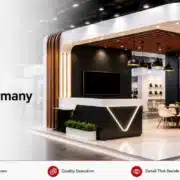
5 Design Decisions That Make a Bespoke Exhibition Stand in Germany More Memorable

We get asked a lot what actually makes an exhibition stand in Germany stick with people. Usually it’s not one big thing. It’s the layout working properly, decent materials, good lighting, a story worth remembering, and a build that doesn’t waste half of itself after one show. Get most of that right and people bring your brand up weeks later, long after Hannover Messe or IFA Berlin has ended. At Spectra Creatives, we’ve seen one bad decision quietly ruin months of good planning.

1-Layout Flow That Keeps Visitors Walking In

A lot of exhibitors pour the budget into graphics and treat the floor plan as an afterthought. A narrow entrance, or a reception desk tucked behind a wall of banners, kills footfall before anyone’s said hello. What works better is simpler than people expect: open sightlines, a welcome area that reads clearly from a distance, and one spot to sit for longer conversations. Hannover Messe pulls in visitors from more than 60 countries most years, so a floor plan that makes sense at a glance counts for something. It’s a fast way to make an exhibition stand in Germany feel considered rather than thrown together.

2-Material Choices That Change How a Stand Feels

Timber, brushed metal, fabric panels, backlit acrylic, each sends a different message before a rep opens their mouth. A few patterns we’ve noticed:

  • Warm woods and soft textiles tend to suit lifestyle or wellness brands
  • Matte metal and glass lean precise, which works well for tech and engineering companies
  • Fabric structures pack down light, handy if you’re doing several cities in a row
  • Reusable modular panels save money over repeat bookings, and cut down on waste too

This is really the heart of bespoke exhibition stand design. Materials get chosen because they fit the brand standing inside them, not because they were sitting on a shelf.

3-Lighting Design That Shapes First Impressions

Lighting rarely gets the budget it deserves. Flat overhead lighting flattens whatever’s underneath it, and a well-built stand can end up looking like a warehouse aisle under the wrong fixtures. Layering helps: accent spots on hero products, something warmer near the seating, a bit brighter at the entrance. Small change, but it shifts how premium a space feels within seconds.

4-A Story Strong Enough to Influence Buying Decisions

More than most exhibitors give it credit for. Walk Frankfurt’s Messe complex for an afternoon and dozens of booths blur together. The ones people remember have one clear thread: what the product solves, who it’s for, why that matters now. What tends to hold that thread together:

  • One message you can read from ten metres away, not five competing ones
  • A single product people can actually touch, not just a spec sheet
  • Staff who can pitch it in two sentences, not a memorised script

An exhibition stand in Germany without a story usually ends up as “the one near the coffee stand,” not because it looked bad, just because nobody left with a reason to remember it.

5- Sustainable Building as a Genuine Selling Point

Germany hosts roughly two-thirds of the world’s leading international trade fairs, and organisers have spent the last few years pushing exhibitors toward reusable, lower-waste builds. Modular frames that get reconfigured for the next show, FSC-certified timber, water-based inks, none of it’s a box to tick anymore. German visitors, especially in industrial circles, actually ask about it. Skip that conversation on an exhibition stand in Germany and it starts looking dated fast.

Why Do These Five Decisions Work Best Together?

None of this works well in isolation, and that’s easy to miss. A beautifully lit stand with no story falls flat. A great story on cheap materials feels unconvincing before anyone reads a word of it. That’s the whole case for bespoke exhibition stand design: every piece supports the same idea, instead of getting cobbled together from a rental warehouse. It’s also why brands comparing stand builders Germany wide keep circling back to the same small group of studios, ones that treat design and fabrication as one job, not two separate hand-offs.

Spectra Creatives has built across enough German cities by now, Cologne, Munich, Frankfurt, to know which of these five decisions tends to slip when deadlines get tight, and which ones quietly decide whether a stand gets remembered past opening day.

Frequently Asked Questions

How far in advance should a bespoke stand be planned?

Most major fairs need somewhere around 8 to 12 weeks for a fully custom build. Larger footprints usually need more.

Do modular stands cost less than fully custom builds?

Often, at least upfront. Though a well-designed modular system can get reused across several shows, which changes the maths over time.

Is Frankfurt the best city for exhibition builds in Germany?

It’s certainly one of the busiest, given how many major fairs pass through it, which is part of why demand for exhibition stand builders Frankfurt stays steady year-round. Cologne, Munich, and Düsseldorf all see plenty of activity too, though.

Ready to Build Something Memorable?

If your next trade fair deserves more than a rented shell, Spectra Creatives can help you shape a stand that actually holds a room. Get in touch and let’s talk through what you’re building next.