Posts

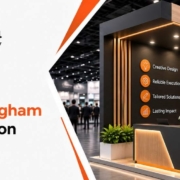
Exhibition Stand Contractors Birmingham

How to Compare Exhibition Stand Contractor Birmingham without Choosing on Price Alone?

Comparing exhibition stand contractor Birmingham on price alone is a mistake that shows up months later – usually the moment your stand arrives looking nothing like the render you signed off on. The smarter approach is weighing build quality, design flexibility, and after-show support alongside cost, not instead of it. Get that balance right and the stand pays for itself in the leads it generates.

What to Look for Beyond the Quote in an Exhibition Stand Contractor

A quote tells you almost nothing about how a contractor actually works. What matters more is process – how they handle changes, deadlines, and the inevitable last-minute request from your marketing team.

Before signing anything, it’s worth asking a few pointed questions:

  • Do they own their build materials or outsource fabrication to a third party?
  • How many revisions are included before the design is locked?
  • What happens if your shipment or on-site build hits a delay?
  • Can they show past exhibition booth designs for brands in your sector?

These questions expose the difference between a contractor who manages the full project and one who’s simply reselling someone else’s labour.

Why Portfolio Diversity Actually Tells You Something

A contractor’s past work says more than any sales pitch. Look for range – a team that’s only ever built one style of stand will likely push that same style onto your brand, regardless of what your audience actually responds to. Spectra Creatives, for instance, has worked across sectors from tech to hospitality, which shows up in how differently each build is approached rather than a repeated template stretched across every client.

NEC Birmingham alone runs upwards of 170 events a year, so contractors working this city regularly end up building for all sorts of hall sizes, footfall levels, and stand layouts – not the handful a firm tied to one regional venue would ever see. That kind of variety teaches you things no photo in a portfolio ever will.

How Do Design Capabilities Affect Your Stand’s Overall Impact?

This is where most budget-first decisions quietly fall apart. A contractor with strong in-house design capability will think about sightlines, lighting, and visitor flow – not just panels and a logo. Firms known for bespoke exhibition stands London clients rely on tend to bring that same structural thinking wherever they build, because the design discipline doesn’t change with the postcode.

Ask to see 3D renders before production starts, and ask how storage or reuse across future shows factors into the design. A stand that only works once is rarely good value, however cheap the initial build.

What About Support After the Stand Is Built?

The relationship shouldn’t end at installation. A dependable partner sticks around for:

  • On-site troubleshooting during the show itself
  • Storage between events
  • Refurbishment or resizing for your next booking
  • Transparent costs for reprints or panel swaps

This is often where lower-cost contractors quietly disappear, leaving you to sort out logistics solo.

Bringing the Comparison Together

Choosing between contractors ultimately comes down to trusting the process behind the price tag, not the number itself. A firm with strong exhibition stand design UK experience, proper design sign-off stages, and genuine after-show support will almost always outperform the cheapest option on the table – and outlast it too. Spectra Creatives approaches every brief this way, treating each stand as reusable brand infrastructure rather than a one-off expense, and it’s this mindset, more than any single quote, that separates the exhibition stand contractors in Birmingham worth shortlisting from the rest.

Ready to build a stand that works as hard as your brand does?

Get in touch with Spectra Creatives for a no-pressure design consultation.
 

Exhibition Stand in UK

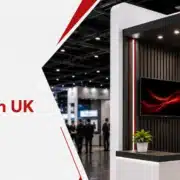
How to Design an Exhibition Stand in UK When Floor Space Is Limited

In this case, better if you plan vertically, not horizontally. Most exhibitors default to spreading things out, and that’s what makes a small stand feel smaller. A tight footprint forces better decisions, fewer props, one message, cleaner sightlines, so the fundamentals of exhibition stand design UK teams rely on matter more here than on a huge stand where mistakes get hidden by sheer size.

At Spectra Creatives, we’ve seen plenty of stands where the space itself seems to be working against the design – odd corners, L-shaped layouts and walkways that leave barely enough room to squeeze through. Yet those limitations don’t always hurt a stand’s appeal. Quite often, a well-planned smaller booth gets more attention than a much larger one sitting right beside it.

What’s the Smartest Way to Plan a Small Exhibition Stand?

Think about foot traffic before you think about furniture. People avoid stands that feel closed in, so the entry point needs room to breathe even if that means sacrificing a display panel somewhere else.

  • Build up rather than out. Tension fabric walls and raised graphics do a lot of the visual work without eating floor space
  • Stick to one message. A stand trying to say five things at once usually communicates none of them well
  • Keep the entrance open. A funnel-shaped approach makes people hesitate before walking in
  • Choose furniture that pulls double duty, like a counter with storage underneath, instead of adding separate pieces

Which Stand Styles Actually Hold Up in a Tight Footprint?

A lot of exhibitors just shrink a big-stand idea to fit a small space. That doesn’t really work. Open layouts without a back wall tend to do better than closed-in ones, and an angled entrance draws in more people than a flat, straight-on one. Fabric graphics show up a lot in good exhibition booth designs for small spaces, mainly because they fold up small and go up fast. If you’re doing three or four shows a season, that speed matters more than it sounds like it should.

Does Lighting Actually Change How Big a Stand Feels?

It does, more than most people expect. Uplighting along a back wall pushes the eye outward and makes the space read as deeper than it is. Pale colours help too, since they bounce light rather than swallowing it. A mirrored panel adds visual depth without taking up real room. And oddly enough, leaving some space genuinely empty tends to read as more premium than filling every gap with signage.

Local Contractor or National Team, Which Makes More Sense?

If you’re exhibiting somewhere like the NEC, geography starts to matter in ways people don’t always plan for. Working with an exhibition stand contractor Birmingham based teams can reach without a long drive tends to mean quicker fixes on-site and less lag between a problem showing up and someone solving it.

  • Site visits happen faster when the team isn’t three hours away
  • Local knowledge of loading bays and venue rules saves time nobody has on build day
  • Transport costs stay lower for a smaller stand, which adds up over multiple shows
  • Dismantling and storage tend to go more smoothly with a nearby crew

Is a Bespoke Stand Worth It When Space Is This Limited?

Off-the-shelf modular pieces waste space you don’t have to spare. That’s where custom design earns its keep. The bespoke exhibition stands London exhibitors commission are usually built to the exact millimetre, nothing hanging over, nothing left short. At Spectra Creatives, that’s the starting point for any compact brief: measure the space first, design around what it actually allows, then work out materials and finish once the layout is locked.

So How Do You Pick the Right Design Partner?

Ask whoever you’re considering what questions they lead with. If it’s budget before objectives, that’s telling. The better work in exhibition stand design UK comes out of partners who get pulled in at the concept stage rather than handed a brief to execute. The same goes for exhibition booth designs worth remembering. They rarely come from whoever spent the most, they come from whoever understood what to leave out.

A Few Quick Questions

What’s the minimum space needed for an exhibition stand in the UK?

Shell scheme stands typically start around 9 square metres, though a well-planned layout can still land well below that.

How early should planning start for a small stand?

Roughly 8 to 10 weeks out, which leaves room for fabrication and any changes that come up along the way.

Can a small stand actually compete with the bigger ones on the floor?

Often, yes. A clear message and decent lighting will outdo a large, cluttered stand more often than people assume.

Ready to Make a Small Space Work Harder?

A tight footprint isn’t a limitation so much as a filter, it forces the good ideas to the front. Get in touch with Spectra Creatives and we’ll build something that earns its space.

Exhibition Stand Design UK

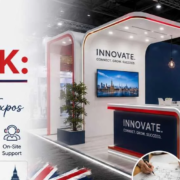
Exhibition Stand Design UK: Preparing Your Booth for Major Birmingham Expos

Birmingham hosts some of the busiest trade show calendars in the UK, and the NEC alone pulls in exhibitors from across Europe most months of the year. Getting your exhibition booth designs ready for that kind of environment takes more than a good-looking layout – it takes planning around footfall patterns, venue rules, and a build timeline that actually holds up under Birmingham’s packed event schedule.

Why Birmingham Expos Demand a Different Kind of Prep

Shows at the NEC and Birmingham’s other major venues run back-to-back through much of the year. This means that move-in windows are often shorter than exhibitors expect. A booth that would have three or four days to build at a quieter venue might only get a single day at a high-traffic Birmingham Hall. That tighter window changes how early design and fabrication decisions need to be locked in.

Working with a team offering exhibition stand design UK services means the fabrication side already understands these Birmingham-specific timing pressures, rather than treating every city’s venue the same way.

Start with the Floor Plan, Not the Visuals

It’s tempting to jump straight into branding and visuals, but the floor plan should come first. Before finalizing any design element, it helps to nail down:

  • Booth dimensions and shape (corner, island, or in-line)
  • Entry points and expected traffic flow
  • Power, rigging, and connectivity needs specific to the hall

Once these are locked in, the creative side of exhibition booth designs can be built around real constraints instead of getting reworked later when something doesn’t fit the space.

Design for Attention in a Crowded Hall

Birmingham expos are loud, visually busy, and full of competing booths fighting for the same attention. A design that looks striking on a screen doesn’t always hold up on a packed show floor. What tends to work:

  • Bold, simple branding visible from a distance, not cluttered detail
  • Open sightlines that pull visitors in rather than walling them off
  • Interactive elements or product displays that give people a reason to stop

The goal isn’t just a good-looking stand – it earns a second glance from someone walking past forty other booths.

Factor in Local Compliance Early

Factoring in local compliance while designing exhibition stands can save you a lot of headaches in early and later stages of building and designing stands. Local compliance in Birmingham differs a lot from countries like Dubai or Frankfurt. So, getting these requirements confirmed before fabrication starts. This helps in avoiding last-minute material swaps or doing major structural changes that are both costly and time-consuming.

Why Local Fabrication Support Matters

Partnering with a local exhibition stand contractor Birmingham matters because it helps you cut shipping expenses and ensure that there are rapid responses to last-minute fixes. A contractor who has UK experience already knows what the venue’s loading dock procedures are, the timing for inspection and which materials are best for clear compliance.

Spectra Creatives has immense experience across the UK alongside Europe, the Middle East, and beyond. They have in-house design and fabrication teams that handle everything from concept sketches through on-site installation. Backed up by design capability and hands-on production experience is what’s going to keep your exhibition stand apart from your competitors.

Plan the Teardown, Not Just the Build

It’s easy to focus entirely on getting the booth up and forget that Birmingham’s back-to-back event schedule means dismantling often needs to happen just as fast. A contractor who plans teardown logistics alongside the build – storage, transport, and disposal of materials – saves exhibitors from a last-minute scramble once the show closes.

Bring It All Together Early

The exhibitors who have the smoothest experience at Birmingham shows are usually the ones who started planning months out, not weeks. Deciding the floor plan, understanding Birmingham compliance, and making the right choice for designing the exhibition stand in international markets is the key.

FAQs

How far in advance should I start planning exhibition booth designs for a Birmingham show?

Ten to twelve weeks is a reasonable minimum, giving enough time for design revisions, compliance checks, and fabrication before a tight move-in window.

Do UK exhibition venues have different regulations than other countries?

Yes – fire safety, electrical, and structural requirements at UK venues like the NEC can differ from international standards, so it’s worth confirming these early in the design process.

Farnborough International Airshow

Farnborough International Airshow 2026

Farnborough International Airshow is not a typical trade show. Every two years, the Farnborough International Exhibition and Conference Centre in Hampshire draws over 1,500 exhibitors from 48 countries and upwards of 80,000 attendees – aerospace manufacturers, defence contractors, airline executives, government procurement teams, and aviation technology leaders who make decisions worth billions on that floor over five days.

The brands showing at Farnborough aren’t there for general awareness. They’re there to close deals, sign contracts, and build relationships with some of the most commercially significant buyers in the global aerospace industry. In that context, exhibition stand design UK  professionals who understand the specific demands of aviation events aren’t a nice-to-have -they’re what separates a productive Farnborough presence from an expensive one.

What Makes Farnborough Different From Any Other Show

Most trade shows want to attract buyers. However, Farnborough attracts buyers who are already in the room to buy. The 2026 edition saw major exhibitors announced major aircraft orders, defence technology deals, and sustainable aviation partnerships directly from the show floor – the kind of transactions that require private meeting spaces, presentation capability, and brand environments that communicate credibility at a glance.

The competitive standard at Farnborough reflects this. Boeing, Airbus, Rolls-Royce, BAE Systems, Comac, Safran, and hundreds of tier-one aerospace suppliers bring fully engineered booth environments – not shell schemes dressed up with graphics. As a result, a brand that shows up with anything less than a purposefully designed stand is signalling something it almost certainly doesn’t intend to signal.

Exhibition booth designs at Farnborough need to handle multiple simultaneous functions: an open brand presence that visitors can easily see from the aisle, private meeting capability for deal discussions, product display or demonstration space, and enough flexibility in the layout that it doesn’t feel congested at peak times.

The Case for Bespoke at Farnborough

Generic modular systems can work well at many shows. However, Farnborough is one where bespoke exhibition stand design and build consistently delivers better results, and the reason is specific to how this show works.

Aerospace and defence exhibitors at Farnborough are competing for the attention of visitors who have spent years building relationships on this floor. They recognise quality immediately, and they make inferences about a brand’s operational standards from how the booth is presented. A stand that looks considered – custom-fabricated, properly lit, with a layout built around the right visitor experience – answers the credibility question that a standard modular unit leaves open.

Bespoke exhibition stands London and UK-based fabrication also carry a practical advantage at a show this size: proximity. Shorter logistics chains, faster resolution of last-minute adjustments, and on-ground teams familiar with Farnborough’s venue regulations and build window constraints all reduce the operational risk that comes with a complex exhibition at a high-stakes event.

What UK Exhibition Venues Require From Builders

Farnborough has its own set of venue regulations that govern how stands are built, what materials can be used, how electrical systems are specified, and what structural certifications are required for two-storey builds. These aren’t negotiable – non-compliant stands get modified or refused before the show opens.

The best exhibition stand design UK operations handle this as a standard part of the process. Compliance documentation, structural engineering sign-off for elevated builds, fire certification, and venue liaison are built into the project timeline rather than treated as a post-fabrication checklist.

Additionally, for international exhibitors bringing a stand into the UK for Farnborough – a common scenario given the show’s global draw – there’s the additional layer of import documentation, customs coordination, and on-ground logistics that requires established UK relationships to manage smoothly.

Private Meeting Space Is Not Optional at This Show

The nature of Farnborough means conversations happen that don’t belong on an open show floor. A procurement discussion, a partnership negotiation, a defence contract briefing – these require privacy, and a booth layout that doesn’t accommodate these forces exhibitors to either have sensitive conversations in public or lose the conversation to a competitor’s hospitality suite.

The best exhibition stand design outcomes at Farnborough include integrated meeting rooms that maintain the brand environment while providing genuine privacy – not a curtained-off corner, but a properly specified private space built into the structure from the design stage.

Planning for the Next Edition

Farnborough runs biennially, which means the next edition is 2028. Brands that perform well at Farnborough consistently start the design and build process earlier than most, treating the two-year gap as planning time rather than breathing room.

Spectra Creatives delivers exhibition booth designers expertise and full bespoke fabrication for UK and European aviation and defence shows – with a Germany-based office, 16+ years of international exhibition experience, and 2000+ completed projects across global trade events.